
Cruise Ship vs Aircraft Carrier: What 30 Years at Sea Taught Me
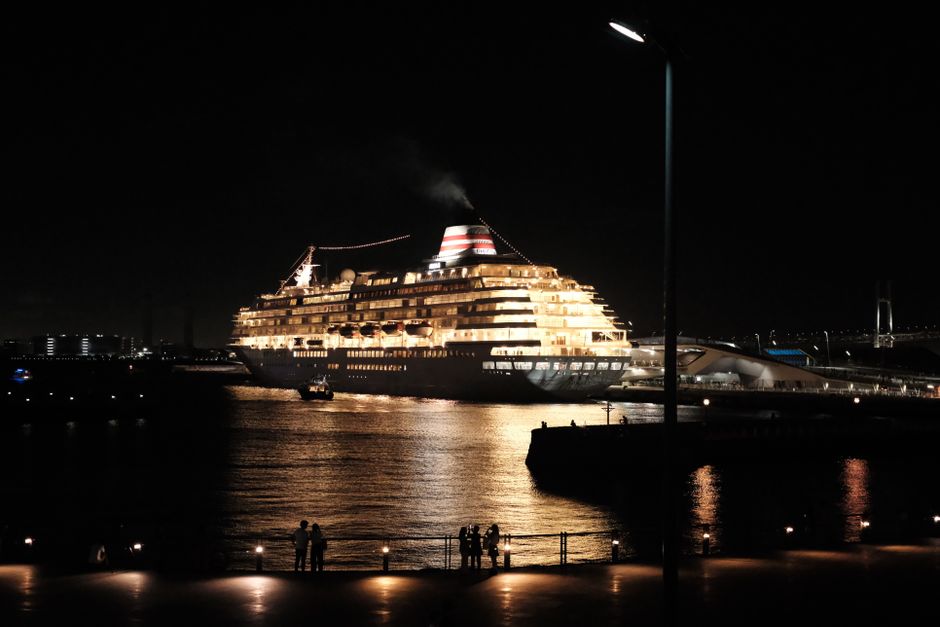
I’ve spent 12 years in the Navy and another 18 working as a marine logistics consultant. People always ask me the same question when they find out: “Which one is actually better — a cruise ship or an aircraft carrier?” The answer isn’t about comfort. It’s about purpose. These two vessels are built for completely different realities, and comparing them is like comparing a shopping mall to a military base. But there are some genuinely surprising overlaps.
Here’s the number that shocks most people: the largest cruise ship in the world, Royal Caribbean’s Icon of the Seas, displaces 250,800 gross tons. The newest Gerald R. Ford-class aircraft carrier displaces around 100,000 tons. The cruise ship is more than double the size. But the carrier can outrun it by 10 knots and carries more destructive power than most small countries. That gap tells you everything about what each one is for.
Speed and Maneuverability: Why Carriers Leave Cruise Ships Behind
An aircraft carrier’s top speed is classified, but publicly available data puts the Nimitz-class at 30+ knots sustained. The Ford-class is rumored to hit 35 knots in a sprint. Cruise ships, by contrast, cruise at 18-22 knots. That’s a massive difference when you’re trying to launch 30-ton fighter jets into a headwind.
Carriers need that speed to generate wind over the flight deck. A 30-knot ship moving into a 15-knot headwind creates 45 knots of relative wind over the bow. That’s the difference between an F/A-18 getting airborne and rolling off the end of the deck. Cruise ships don’t need any of that. They’re optimized for fuel efficiency and passenger comfort.
Why Cruise Ships Can’t Go Faster
It’s not an engineering limitation. It’s economics. Fuel consumption increases exponentially with speed. A cruise ship burning 250 tons of fuel per day at 22 knots might burn 400 tons at 28 knots. That’s an extra $100,000 per day in fuel costs alone, using 2026 bunker fuel prices around $650 per ton. Cruise lines aren’t in the speed business. They’re in the destination business.
The Turning Radius Reality
A Nimitz-class carrier can execute a high-speed turn that would send unsecured furniture flying. The ship heels over 10-15 degrees in a tight turn. Cruise ships use stabilizers and careful maneuvering to keep heel under 5 degrees. Nobody wants their martini sliding off the table. The carrier doesn’t care about your martini.
Life Onboard: What Daily Existence Actually Looks Like
I’ve eaten meals on both. Here’s the honest comparison no brochure will give you.
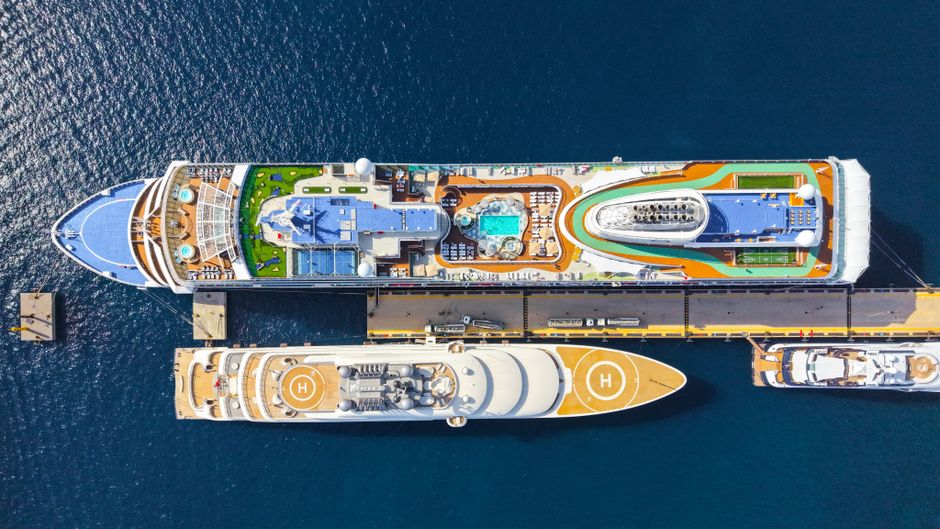
On a cruise ship, you have 20+ restaurants, 24-hour room service, and a steakhouse where the chef knows your name by day three. On a carrier, you have a galley line that serves 18,000 meals per day. The food is decent, but it’s designed for volume and speed. You eat in 15 minutes and get back to your watch station.
Cruise ship cabins are small but private. A standard balcony cabin on Norwegian Encore runs about 200 square feet. An officer’s stateroom on a carrier is half that. Enlisted sailors sleep in berthing compartments with 60-80 other people, stacked three high. Privacy doesn’t exist. You learn to sleep through anything.
Entertainment? A cruise ship has Broadway shows, water slides, and casinos. A carrier has a gym, a library, and maybe a movie night in the mess deck. But here’s what nobody tells you: the carrier has something cruise ships can’t offer. Purpose. Every person onboard has a job that matters. That changes the entire social dynamic.
Cost Comparison: Who’s Actually Paying for What
| Factor | Cruise Ship (Icon of the Seas) | Aircraft Carrier (Ford-class) |
|---|---|---|
| Build cost | $2 billion | $13 billion |
| Daily operating cost | $1.5 million | $6-7 million |
| Passenger/crew capacity | 7,600 passengers + 2,350 crew | 4,539 crew (no passengers) |
| Revenue per day | $2-3 million (fares, onboard spend) | $0 (military asset) |
| Lifespan | 30-40 years | 50 years |
The cruise ship is a profit engine. The carrier is a cost center. That’s the fundamental difference. Royal Caribbean’s Icon of the Seas cost $2 billion to build and generates revenue from day one. The USS Gerald R. Ford cost $13 billion and will never earn a dollar directly. But it protects the shipping lanes that let cruise ships operate freely.
Here’s the interesting overlap: both are floating cities that require massive logistical support. A carrier needs resupply every 7-10 days. A cruise ship restocks at every port. The supply chain complexity is remarkably similar. I’ve watched both operations up close, and the planning process is nearly identical — just different cargo.
Can You Visit an Aircraft Carrier? Yes, Here’s How
This is the question most travelers actually care about. You can’t book a cabin on a carrier, but you can visit several as museum ships.
- USS Midway (San Diego) — The best carrier museum in the country. $26 adult admission, open daily. You can walk the flight deck, sit in aircraft, and tour the berthing areas. Plan 3-4 hours.
- USS Intrepid (New York City) — Includes a Space Shuttle exhibit. $36 adult admission. More crowded but excellent for aviation buffs.
- USS Yorktown (Charleston, SC) — Part of Patriots Point. $28 adult admission. Less polished than Midway but more authentic.
- USS Lexington (Corpus Christi, TX) — $22 adult admission. The “Blue Ghost” has excellent flight deck tours and overnight programs.
These museum ships give you about 70% of the real experience. You can’t feel the ship move at sea, but you can smell the fuel, see the cramped quarters, and understand why sailors develop a particular kind of humor. I recommend the Midway first. The audio tour is excellent, and the volunteer docents are mostly veterans who will tell you stories no brochure contains.
If you want the modern experience, the Navy occasionally opens active carriers for fleet week events. San Francisco Fleet Week in October and New York Fleet Week in May are your best bets. Free, but lines are long and security is tight.
What Cruise Ships Do Better (And Why It Matters for Travelers)
Let me be direct: for a vacation, a cruise ship wins every time. No contest. The food is better, the beds are better, the entertainment is better, and you won’t be woken up at 3 AM for a general quarters drill.
Cruise ships are designed around one metric: passenger satisfaction. Every square foot is engineered to make you comfortable and extract money from your wallet. That sounds cynical, but it works. The Celebrity Beyond has a martini-shaped hot tub. The Carnival Celebration has a roller coaster on the top deck. These are absurd luxuries that only exist because cruise lines compete fiercely for your vacation dollars.
The food deserves special mention. Modern cruise ships employ executive chefs from Michelin-starred restaurants. Virgin Voyages eliminated buffets entirely and replaced them with made-to-order food halls. That’s a direct response to passenger complaints about mediocre buffet food. A carrier’s galley can’t compete with that, and it shouldn’t have to.
What Aircraft Carriers Do Better (And Why It Should Change How You Travel)
Aircraft carriers teach you something cruise ships can’t: efficiency under pressure. I’ve watched flight deck crews launch and recover aircraft in 90-second intervals, in rough seas, at night, with zero margin for error. That level of operational discipline doesn’t exist in the civilian world.
Here’s what that means for travelers. The next time you’re frustrated by a delayed flight or a slow hotel check-in, remember that 5,000 sailors on a carrier can feed themselves, launch aircraft, and maintain combat readiness in conditions that would shut down any cruise port. It’s not a fair comparison, but it puts travel inconveniences in perspective.
Carriers also demonstrate what happens when you optimize for mission instead of comfort. Every system is redundant. Every sailor has a specific role. Nothing is wasted. Cruise ships optimize for the opposite: maximum comfort, maximum entertainment, maximum revenue per passenger. Neither approach is wrong. They’re just different answers to different questions.
The Verdict: Which One Should You Actually Care About?
For 99% of travelers, the answer is simple: cruise ships. Book the Royal Caribbean or Virgin Voyages cruise. Enjoy the food, the shows, the ports. You’ll have a great time.
But visit an aircraft carrier museum at least once. Walk the flight deck of the USS Midway. Stand where 18-year-old kids launched fighter jets into combat. It will change how you think about travel, logistics, and what humans can accomplish under pressure.
The future of both vessel types is interesting. Cruise ships are getting bigger and more efficient, with LNG-powered ships like the MSC World Europa cutting emissions significantly. Carriers are getting more automated, with the Ford-class using electromagnetic catapults instead of steam. Both are engineering marvels. Both represent the peak of their respective domains. And both are worth understanding if you care about how the world actually works.