
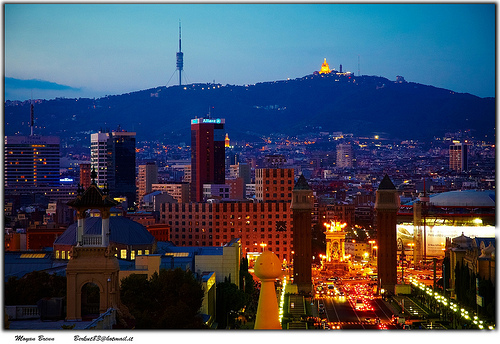
Barcelona Beat
After years of navigating Barcelona’s vibrant streets, I’ve seen countless visitors fall into the same traps. Forget the generic itineraries. If you want to truly experience the city, you need to ditch the common tourist playbook and embrace a more informed approach. I’m here to show you how.
Ditching the Tourist Pass Trap
Listen, I know the allure of an all-inclusive tourist pass. It sounds like a dream. Unlimited attractions, skip-the-line access, sometimes even transport. But trust me, for Barcelona, most of these general tourist passes are money pits. You rarely get your money’s worth unless you’re planning a frenetic, non-stop sightseeing marathon, which isn’t the vibe here. Most people end up visiting only a fraction of the included sites, and the ‘skip-the-line’ benefit is often negligible if you plan your visits smart. Don’t buy the Barcelona Card or similar packages unless you’ve done the math and it *actually* saves you money for your specific itinerary. It rarely does.
The “Barcelona Card” vs. Hola Barcelona
The biggest offender is often the Barcelona Card. It combines attractions and transport, but the entry fees for many included museums are relatively low, and the major attractions like Sagrada Familia or Park Güell are often NOT fully covered or require separate booking. Instead, consider the Hola Barcelona Travel Card for transport alone. It’s strictly for public transport and offers unlimited rides for 2, 3, 4, or 5 consecutive days on the metro, bus, tram, FGC urban lines, and even the airport metro line (L9 Sud). A 48-hour card costs around €17.50, and 120 hours is roughly €40. It’s pure value if you plan to use public transport extensively.
When a Pass Does Make Sense
The only time a combined pass might be worth it is for niche interests or very specific bundles. For example, if you’re an absolute Gaudí fanatic, a specific Gaudí experience bundle might save you a few euros compared to buying individual tickets for Sagrada Familia, Park Güell, and Casa Batlló separately. But even then, do the math. Don’t assume. For the average traveler, buying a T-Casual for transport and pre-booking individual tickets for your must-see attractions (like Sagrada Familia, Park Güell, Picasso Museum) is almost always the more economical and flexible option. It gives you control, saves cash, and lets you prioritize what you actually want to see.
| Feature | Generic Tourist Pass (e.g., Barcelona Card) | Individual Booking + Hola Barcelona Travel Card |
|---|---|---|
| Cost Effectiveness | Often overpriced for typical use. Requires high volume of visits to justify. | Usually more economical for tailored itineraries. |
| Flexibility | Limited by package inclusions. May rush you. | Full flexibility to choose attractions and pace. |
| Transport | Usually included, but may not be best value for money. | Dedicated public transport pass (Hola Barcelona) offers excellent value. |
| Key Attractions | Major sites like Sagrada Familia often not fully covered or require extra steps. | Direct booking ensures best prices and specific time slots. |
| My Verdict | Avoid for most travelers. Over-promises, under-delivers. | Recommended. Maximize value and tailor your trip. |
Navigating the Metro Like a Local
Public transport in Barcelona is phenomenal. It’s clean, efficient, and covers the entire city. Relying solely on taxis or ride-shares is a huge mistake, both for your wallet and for experiencing the city’s rhythm. The metro system, coupled with buses and trams, will be your best friend. Forget struggling with maps on your phone; get comfortable with the metro lines. It’s intuitive once you get the hang of it.
Mastering the T-Casual
- Buy a T-Casual: This is a 10-ride integrated ticket valid for one person across various transport types (metro, bus, tram, FGC) within Zone 1 (which covers most tourist areas). As of early 2026, it costs about €11.35. That’s a steal at just over €1 per ride, compared to a single-ride ticket at €2.40.
- Validate Correctly: Each time you enter a station or board a bus/tram, tap your T-Casual on the reader. You don’t tap out on the metro, only on some FGC lines. Don’t fold or damage the card, or it won’t scan.
- One Person, One Card: The T-Casual is personal. You cannot share one T-Casual amongst multiple people. If you’re traveling with others, each person needs their own. For families or groups, a T-Familiar (8 rides, shared) might be an option, but often T-Casuals for everyone are better if you’re riding a lot.
- Hold Onto It: Keep your ticket until you exit the station or finish your journey. Inspectors do check, especially at major hubs.
Airport Connections Made Easy
The L9 Sud metro line connects Barcelona-El Prat Airport (terminals 1 and 2) directly to the city’s metro network. This is the fastest, cheapest, and most reliable way to get to and from the airport. You’ll need a special airport ticket (around €5.50) or a Hola Barcelona Travel Card (which includes it). A standard T-Casual is NOT valid for the airport metro. Alternatively, the Aerobús service (around €6-7 one way) is also a good option, taking you directly to Plaça Catalunya or Plaça Espanya, with comfortable luggage space.
Beyond La Rambla: Finding Authentic Bites
Let me be blunt: if you’re eating every meal on La Rambla, you’re doing Barcelona wrong. That iconic boulevard is fantastic for people-watching and soaking in the atmosphere, but its restaurants are largely overpriced tourist traps serving mediocre food. You’ll pay a premium for views and convenience, not quality. Step away from the main drag. A few blocks can make all the difference between a sad, microwaved paella and an unforgettable culinary experience.
Tapas Bar Basics
Head to neighborhoods like Gràcia, Poble Sec, or Sant Antoni for genuine tapas. Look for places packed with locals, standing at the bar, shouting their orders. Don’t expect white tablecloths; expect flavor. A good tapas bar will have a rotating selection of fresh dishes. Order a few, share them, and then order more. Don’t be afraid to try things you don’t recognize. Expect to pay €3-6 per tapa, and €2-4 for a glass of house wine or a caña (small beer). My personal rule: if the menu is in five languages and features glossy photos, walk away.
Markets to Explore
Everyone knows La Boqueria, and it’s a feast for the eyes, but it’s also incredibly touristy and expensive now. For a more local market experience, go to Mercat de Sant Antoni. It’s been beautifully renovated and offers a much more authentic vibe for groceries, local produce, and some fantastic small eateries. You’ll find everything from fresh seafood to cured meats and local cheeses at fair prices. Another great option is Mercat de la Concepció for flowers and fresh produce. These markets aren’t just for shopping; they’re a cultural immersion.
The Sagrada Familia Ticket Scramble
Visiting Sagrada Familia is non-negotiable. It’s Gaudí’s masterpiece, a truly breathtaking architectural wonder. But if you don’t plan ahead, you’ll spend precious hours in line or, worse, miss out entirely. This isn’t a place you can just walk up to and expect to get in. Consider your visit an operation, not a casual stroll.
Booking Windows and Tower Access
Book your tickets online, directly from the official Sagrada Familia website, at least a month in advance. For peak season (summer, holidays), I’d say two to three months. Seriously. They operate on timed entry slots, and popular times sell out fast. You’ll choose your specific entry time. I recommend a morning slot (around 9:30-10:30 AM) to catch the best light streaming through the stained glass windows on the Nativity facade. The afternoon light (3:00-4:00 PM) illuminates the Passion facade beautifully. An adult basic ticket for entry and an audio guide is typically around €30-33. If you want tower access, it’s an extra €10-15. My take on the towers: they offer decent views, but the ascent and descent can be cramped, and the views aren’t dramatically better than what you get from other city vantage points. I often skip them now; the magic is inside the basilica itself. The passion tower views of the city are more open, but the Nativity tower offers better views of the façade itself. Pick your poison if you must go up.
Dress Code and Etiquette
This is a basilica, a place of worship. Dress respectfully. This means no bare shoulders (cover them with a scarf or shawl), no excessively short shorts or skirts. Knees and shoulders should be covered. They are strict about this, and you could be denied entry even with a valid ticket. Inside, be mindful of others. It’s a quiet place for reflection, not a playground. Turn off your phone ringer, keep voices low, and avoid blocking walkways for extended photo sessions. The visit usually takes about 1.5 to 2 hours if you take your time with the audio guide. Don’t rush it; absorb the details. The sheer scale and intricate details deserve your full attention.
Why You’re Skipping the Best Views
Most tourists flock to Park Güell for city views, and while it’s lovely, it’s also packed. You’re missing out. For truly breathtaking panoramic views of Barcelona, head straight to the Bunkers del Carmel. It’s free, it’s less crowded, and the 360-degree vista is unparalleled. Go for sunset; bring a drink and some snacks. Trust me.
Avoiding Tourist Scams: Common Pitfalls
Barcelona is generally safe, but like any major tourist city, it has its share of petty crime. Being aware is your best defense. Don’t be an easy target. I’ve seen too many people lose their wallets or phones because they weren’t paying attention.
What about pickpockets?
Pickpockets are incredibly skilled and operate in crowded areas. La Rambla, the Gothic Quarter, and inside busy metro stations are prime hunting grounds. Never keep your wallet in a back pocket. Use a cross-body bag worn to the front, or a money belt. Be extra vigilant on public transport, especially when doors open and close. If someone bumps into you, immediately check your belongings. Don’t leave your phone on a restaurant table. It’s gone in a flash.
Are street vendors legit?
Many street vendors, particularly those selling “designer” bags or watches, are selling counterfeit goods. Beyond the illegality, these items are poor quality and contribute to criminal activity. Avoid them. Also, be wary of people approaching you with “lucky heather” or trying to give you small trinkets; they’ll then demand payment aggressively. Just politely but firmly say “no gracias” and keep walking.
How do I avoid inflated taxi fares?
Always use licensed taxis (black and yellow cars with a green light on top when available). They have meters and regulated fares. Avoid unofficial cabs or anyone soliciting rides at the airport or train stations. If you use a ride-sharing app, ensure it’s a legitimate service like Cabify or Free Now, which use licensed taxis and provide upfront fare estimates. Always confirm the destination with the driver before starting the journey.
Gràcia vs. Gothic: Where to Wander
Barcelona’s neighborhoods each have distinct personalities. Understanding them helps you choose where to spend your time for a more rewarding experience. Don’t just stick to the well-trodden paths; explore a bit. You’ll thank me later.
Gràcia’s Charm
If you crave a bohemian, village-like atmosphere, Gràcia is your spot. It feels like a separate town within the city, with beautiful squares (Plaça del Sol, Plaça de la Vila de Gràcia), independent boutiques, artisan shops, and a fantastic array of authentic restaurants and bars. It’s less touristy, more residential, and incredibly charming. Think narrow streets, cozy cafes, and a relaxed pace. It’s perfect for an afternoon of wandering, browsing, and soaking in local life. It’s easily walkable from the Eixample district, roughly a 15-20 minute stroll from Passeig de Gràcia, or just a few metro stops on the L3 (green) line to Fontana or Lesseps.
Gothic Quarter’s Buzz
The Gothic Quarter (Barri Gòtic) is the historic heart of Barcelona, a labyrinth of narrow, winding streets that whisper tales of centuries past. It’s home to the Barcelona Cathedral, Plaça Sant Jaume (where the city hall and regional government sit), and countless hidden courtyards. The atmosphere is undeniably atmospheric, but it’s also extremely popular with tourists, meaning it can get very crowded. Expect souvenir shops, bustling tapas bars, and a lively (sometimes noisy) nightlife. It’s a must-see for its history, but don’t expect quiet contemplation during the day. It’s best explored early in the morning before the crowds, or in the evening when the lamplit alleys create a magical vibe. The area is highly concentrated, easily walkable, and bordered by La Rambla to the west and Via Laietana to the east.
In short:
- For history and atmosphere (with crowds): Gothic Quarter
- For local charm and relaxed vibes: Gràcia
- For authentic food: Gràcia, Poble Sec, Sant Antoni, El Born
- For efficient travel: Hola Barcelona Travel Card + T-Casual
- For best views: Bunkers del Carmel
- For must-see attractions: Book online, well in advance