
Rock N’ Roll Destinations: Jamaica
Most people picture Jamaica and hear reggae. Bob Marley. Rastafari. Lazy beach vibes. That’s real, but it’s only half the story. Jamaica’s musical DNA runs deeper — through ska, rocksteady, and a raw, rebellious rock n’ roll energy that shaped punk, two-tone, and even early hip-hop. If you’re chasing the sound that changed the world, you need the right map. Not the all-inclusive resort brochure. This is the real one.
The Misconception: Jamaica Is Only Reggae
Reggae is the global export. But before reggae, there was ska (fast, horn-heavy, danceable) and rocksteady (slower, more soulful). These genres borrowed heavily from American R&B and jump blues — the same roots that birthed rock n’ roll. The Wailers started as a ska band. Jimmy Cliff was a rocksteady star. The rebellious attitude, the anti-authority lyrics, the distorted guitar lines — that’s rock n’ roll spirit, just with a Jamaican accent.
If you skip the deep cuts, you miss the point. The island’s music history is a direct line from the 1950s sound system culture (where DJs talked over records — the birth of toasting and rap) to the punk rock explosion of the 1970s. The Clash covered Jamaican songs. The Sex Pistols studied the raw energy. Jamaica didn’t just make reggae. It made the blueprint for modern rebel music.
Most visitors never see this side. They stay on the north coast, drink rum punch, and listen to sanitized covers. That’s fine for a vacation. It’s not a pilgrimage.
Kingston: The Gritty Engine Room
Trench Town Culture Yard
Start here. Trench Town is where Bob Marley, Peter Tosh, and Bunny Wailer learned their craft. The Culture Yard is a restored tenement yard turned museum. You’ll see the actual room where Marley wrote “No Woman, No Cry.” Entry costs $10 USD. Guided tours run 45 minutes. You’ll hear the story of the Wailers, the political violence, the sound system battles. This is not a sanitized tourist trap. The neighborhood is real. You’ll see laundry hanging, kids playing, goats in the street. Bring cash. No credit cards.
Studio One at 13 Brentford Road
This is the most important recording studio in Jamaican history. Founded by Clement “Coxsone” Dodd in 1954, it’s where ska was born. Bob Marley recorded his first tracks here. The Wailers, Toots and the Maytals, Burning Spear — all of them. The studio still operates. You can book a tour through the Studio One Museum ($15 USD, 1 hour). You’ll stand where the bass lines for “Simmer Down” were cut. The gear is vintage. The vibe is raw. No air conditioning. That’s part of the experience.
Bob Marley Museum at 56 Hope Road
This is the most polished of the Kingston stops. Marley’s former home, turned into a museum. You’ll see his recording studio, his bedroom, the bullet holes from a 1976 assassination attempt. Tours cost $25 USD and run 90 minutes. It’s well-organized, but it’s also crowded. Go early (9 AM opening) to avoid the bus groups. The gift shop is expensive. Skip it.
Verdict: If you only have one day in Kingston, skip the Marley Museum and do Trench Town + Studio One. You’ll get more raw history for half the price.
Ocho Rios: The Vinyl Bar Scene Nobody Talks About
Most people come to Ocho Rios for Dunn’s River Falls. They miss the real draw: the small, independent bars with record collections that would make a collector weep. These aren’t tourist spots. They’re local hangouts where the sound system is a vintage set of speakers and the DJ plays vinyl all night.
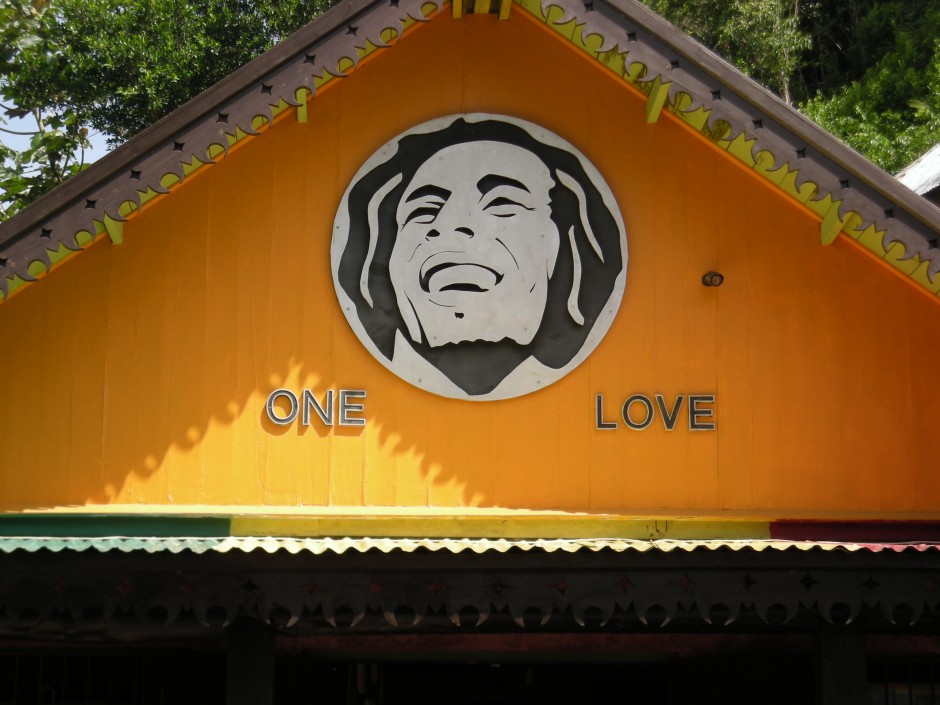
One Love Bar
Tucked behind the main tourist strip. No sign. You find it by asking a taxi driver. The owner, a former sound system operator named Winston, has over 5,000 vinyl records. He’ll play anything from 1960s ska to obscure rocksteady 45s. Drinks are cheap — $3 for a Red Stripe. No cover charge. Cash only. The crowd is a mix of locals and the occasional music nerd who did their research.
SkyCastle Lounge
This one is slightly more upscale. Perched on a hill overlooking the bay. They have a dedicated listening room with a high-end turntable and a curated collection of classic reggae and rocksteady albums. They host listening sessions on Thursday nights ($10 entry, includes one drink). The sound quality is excellent. The view is better. This is where you go when you want to hear the music the way it was meant to be heard — on vinyl, through good speakers, with no distractions.
The mistake most tourists make: They assume all Jamaican bars play the same three Bob Marley songs on repeat. They don’t. You just have to find the right spots. Ask a local taxi driver where the vinyl bars are. They’ll know. Tip them $5 for the info.
Negril: The 7 Mile Beach Sound System Tradition
Negril is famous for sunsets and beach parties. But the real musical tradition here is the sound system. Portable speaker towers, DJs spinning vinyl, MCs toasting over the tracks. This is where dancehall culture lives. It’s not a polished show. It’s a street party that starts late (11 PM or later) and runs until dawn.
Alfred’s Ocean Palace
The most famous sound system spot on the beach. They’ve been running since the 1970s. The setup is simple: a thatched roof bar, a concrete dance floor, and a wall of speakers. The DJ plays a mix of reggae, dancehall, and old-school ska. No cover. Drinks are $4-6. The vibe is pure energy. Locals dance better than you. That’s fine. Just watch and learn.
Warning: Sound system parties are loud. Earplugs are not optional — they’re essential. The speakers are pushed to their limits. You will feel the bass in your chest. That’s the point. If you have hearing sensitivity, bring high-fidelity earplugs ($15 on Amazon).
When to go
Sunday nights are the biggest. The party starts around 10 PM and goes until the DJ decides to stop (usually 3-4 AM). Tuesday nights are smaller but more intimate — more locals, fewer tourists. Both are worth your time.
| Location | Best Night | Cost | Vibe |
|---|---|---|---|
| Alfred’s Ocean Palace | Sunday | Free entry, $4-6 drinks | Crowded, loud, electric |
| One Love Bar (Ocho Rios) | Any night | Free, $3 drinks | Intimate, vinyl-focused |
| Studio One Museum (Kingston) | Daytime only | $15 tour | Historical, educational |
| Trench Town Culture Yard | Daytime only | $10 tour | Raw, authentic, gritty |
Montego Bay: The Gateway (But Not the Destination)
Montego Bay is where most flights land. It’s also the most commercialized part of the island. The music scene here is weaker. The bars play top-40 pop and watered-down reggae covers. Don’t spend more than one night here unless you have to.
That said, there’s one exception.
Pier 1
A waterfront complex with a decent live music venue. They host local bands on Friday and Saturday nights. The sound is okay. The crowd is a mix of tourists and expats. Drinks are overpriced ($8 for a rum punch). It’s not a must-see, but if you’re stuck in MoBay for a night, it’s the best option.
The smarter move: Land in Montego Bay, rent a car (or take a shared taxi), and drive straight to Kingston or Ocho Rios. Don’t waste time in the gateway. The real music is elsewhere.
Practical Execution: 5 Mistakes That Will Ruin Your Trip
- Staying at an all-inclusive resort. You’ll be isolated from the real music scene. The resort will bus you to waterfalls and shopping centers. You won’t find the vinyl bars or sound system parties. Book a guesthouse or small hotel in the local neighborhoods.
- Not carrying enough cash. Many of the best music spots don’t accept cards. ATMs exist but charge high fees ($5-7 per withdrawal). Bring $200-300 USD in small bills ($5s and $10s). Exchange at a local bank, not the airport.
- Ignoring safety basics. Kingston has real crime. Don’t walk alone at night. Don’t flash expensive cameras or phones. Use a trusted taxi driver (ask your hotel for a recommendation). Trench Town is safe during the day with a guide. Don’t wander there alone.
- Not earplugs. Already mentioned. Repeat because it matters. Sound system parties will damage your hearing without protection. Bring them.
- Assuming the music stops at 10 PM. Jamaican parties start late. The headliner DJ might not go on until 1 AM. Pace yourself. Eat a proper dinner. Drink water between beers. The music will last until sunrise.
Alternatives & Tradeoffs: When Not to Go to Jamaica
Jamaica is not the right choice for every music traveler. Here’s when you should pick something else.
If you want polished, curated museums: Go to Memphis (Sun Studio, Stax Museum) or Nashville (Ryman Auditorium, Country Music Hall of Fame). Jamaica’s music history spots are raw, sometimes dusty, and not always well-maintained. That’s part of the charm. But if you need air conditioning and interactive exhibits, you’ll be disappointed.
If you’re on a tight budget: Jamaica is not cheap. Flights from the US run $400-800 round trip. Accommodation in decent neighborhoods is $80-150 per night. Food is $15-25 per meal at good local spots. A 5-day trip will cost $1,200-2,000 per person. Cuba is cheaper. Puerto Rico is easier (no passport for US citizens). Both have strong music scenes.
If you want a safe, predictable experience: Jamaica is unpredictable. Street parties get loud. Taxis break down. The power might flicker. The music scene is organic, not scheduled. If that stresses you out, book a resort in the Bahamas instead.
If you hate bass: Seriously. The bass is relentless. It’s in the cars, the bars, the street corners. You cannot escape it. If you prefer quiet evenings, Jamaica is not for you.
The Single Most Important Takeaway
Jamaica’s rock n’ roll soul lives in the gritty, unpolished corners — Trench Town’s tenement yards, Studio One’s cracked walls, a vinyl bar in Ocho Rios where the DJ plays 45s until 3 AM — and if you only visit the resorts, you’ll hear the hits but miss the heart.