
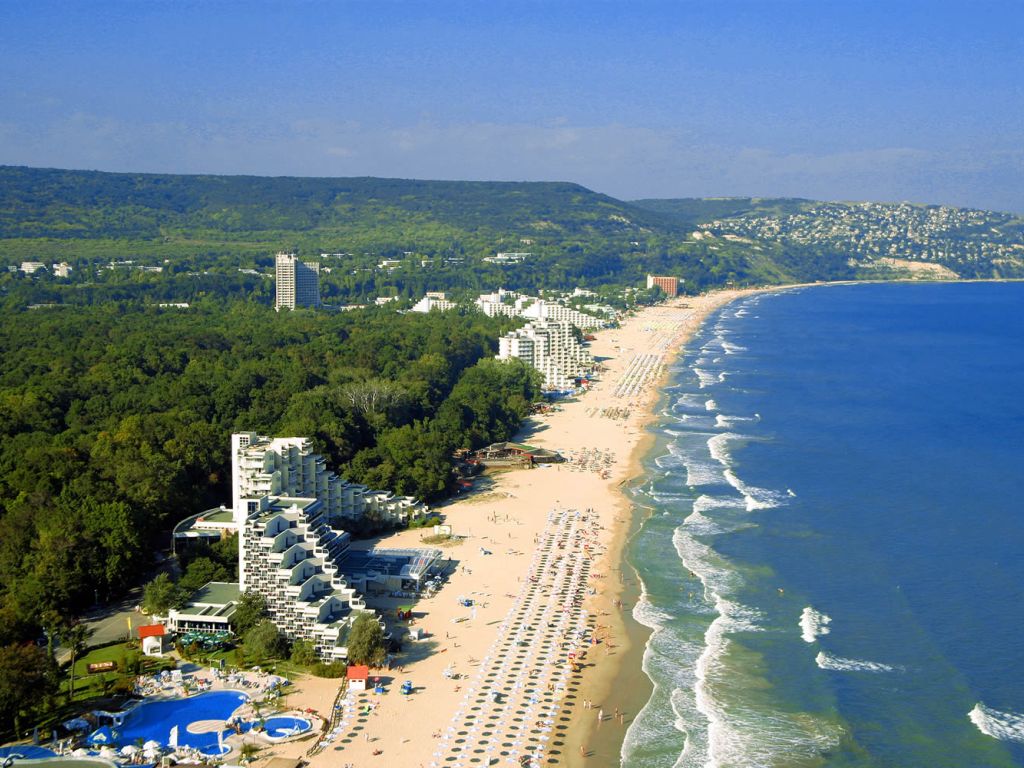
Brilliant Bulgaria
Many travelers picture Bulgaria as solely a cheap beach destination on the Black Sea, or an older, less developed corner of Eastern Europe. This perspective often overlooks a country rich with ancient history, vibrant city life, breathtaking mountain ranges, and a culture that blends Slavic and Ottoman influences. Bulgaria offers far more than just budget resorts; it holds Roman ruins, Orthodox monasteries, and lively cultural scenes.
Getting There: Flights and Border Crossings
Planning your arrival in Bulgaria involves securing flights and understanding entry requirements. Sofia Airport (SOF) is the primary international gateway, but Plovdiv (PDV), Varna (VAR), and Burgas (BOJ) also serve international routes, especially during peak seasons.
Finding Affordable Flights
Start your flight search 3-6 months in advance for the best prices. Use flight comparison websites such as Google Flights or Skyscanner to track prices. For example, a round-trip flight from major European hubs to Sofia can range from €80-€250, depending on the season and how early you book. Direct flights from North America are less common; expect layovers, often in Western European cities like Vienna or Munich.
Booking during off-peak seasons (late autumn to early spring, excluding holidays) can significantly reduce costs. Tuesdays and Wednesdays often present slightly cheaper ticket prices compared to weekends. Consider flying into neighboring countries, like Romania or Greece, and taking an intercity bus or train into Bulgaria if you find a substantial price difference. A bus from Bucharest to Sofia costs around €20-€30 and takes 6-7 hours.
Border Control and Visa Requirements
Bulgaria is part of the European Union but is not yet a full member of the Schengen Area. This means a separate border check is required when entering from a Schengen country. However, many visitors from Schengen member states and other visa-exempt countries can enter Bulgaria for up to 90 days within a 180-day period using just a valid passport or ID card.
Always check the latest visa requirements based on your nationality well before your trip. You can find official information on the Ministry of Foreign Affairs of Bulgaria website. Ensure your passport has at least six months of validity remaining from your planned departure date. If driving, have your vehicle registration, insurance green card, and a valid international driving permit (if applicable) ready. Border checks are typically straightforward but can sometimes involve short waits, especially during holiday periods.
Budgeting Your Bulgarian Adventure
Bulgaria is known for being one of Europe’s more affordable travel destinations, but understanding typical costs helps in planning. Prices are generally quoted in Bulgarian Lev (BGN), with 1 BGN roughly equivalent to €0.51 (as of 2026).
Accommodation Costs
Accommodation options range widely, catering to different budgets:
- Hostels: Expect to pay €10-€20 per night for a dorm bed in major cities like Sofia or Plovdiv. Many hostels offer private rooms for €25-€40.
- Guesthouses/Mid-range Hotels: A comfortable double room in a well-located guesthouse or a 3-star hotel costs around €40-€70 per night. Prices might be slightly higher in prime tourist areas or during peak season.
- Boutique Hotels/Luxury: For a 4 or 5-star hotel, expect to pay €80-€150+ per night.
Booking platforms such as Booking.com or Airbnb are widely used. Always confirm if breakfast is included and check for additional city taxes, which are usually minor (under €2 per night).
Food and Dining Expenses
Eating out in Bulgaria is typically inexpensive. A meal at a casual restaurant can cost €8-€15 per person, including a drink. Street food, like banitsa (a savory pastry) or kebapche (grilled minced meat), costs €1.50-€4. A coffee generally runs €1.50-€2.50.
For those looking to save more, grocery stores are well-stocked. A week’s worth of basic groceries (bread, cheese, fruits, vegetables, some meat) can be bought for €30-€50. Local markets offer fresh produce at even lower prices. Traditional Bulgarian dishes like Shopska salad, kyufte, or musaka are widely available and offer great value.
Transportation Within Bulgaria
Intercity travel is efficient and budget-friendly:
- Buses: The most common way to travel between cities. A bus ticket from Sofia to Plovdiv costs around €8-€10. Sofia to Varna is about €15-€20. Buses are generally comfortable and run frequently.
- Trains: While slower than buses, trains offer scenic routes and can be cheaper. A second-class ticket from Sofia to Burgas is approximately €12-€15. The national railway operator is BDZ.
- Public Transport (cities): Sofia, Plovdiv, and Varna have good public transport systems. A single metro or bus ticket in Sofia costs BGN 1.60 (€0.80). A daily pass is around BGN 4 (€2).
- Car Rental: Renting a compact car for a week typically costs €150-€250, excluding fuel. Fuel prices are similar to Western Europe, around €1.30-€1.50 per liter for petrol. This option offers maximum flexibility for exploring rural areas and mountains.
Top Itineraries: City, Coast, and Culture
Bulgaria offers diverse experiences. Here are some structured ideas for different types of trips.
Sofia in 3 Days: Must-See Sights
Sofia, the capital, blends ancient history with modern urban energy.
- Day 1: Historical Center. Begin at the magnificent Alexander Nevsky Cathedral, then visit the adjacent Saint Sofia Church. Explore the Roman ruins beneath the glass dome of the Serdica Complex and see the Rotunda of St. George. Walk along Vitosha Boulevard for shopping and people-watching.
- Day 2: Museums and Parks. Spend the morning at the National Historical Museum (a short bus ride from the center) or the National Museum of Military History. In the afternoon, relax in Borisova Gradina park or take a chairlift up Vitosha Mountain for panoramic city views.
- Day 3: Day Trip to Rila Monastery. Dedicate a full day to visiting the UNESCO-listed Rila Monastery, about 2 hours south of Sofia. It’s a stunning example of Bulgarian Revival architecture and a spiritual hub. Many guided tours depart daily, costing around €25-€40 per person. Alternatively, hire a car for approximately €50-€70 for the day, plus fuel.
Plovdiv’s Ancient Charm: 2-Day Exploration
Plovdiv, one of Europe’s oldest continuously inhabited cities, is a cultural gem.
- Day 1: Old Town and Roman Theater. Wander through the cobbled streets of the Old Town, admiring the colorful 19th-century houses. Visit the stunning Roman Amphitheater, still used for performances today. Explore the Ethnographic Museum and take in views from Nebet Tepe hill.
- Day 2: Kapana and Art. Discover Kapana, the “Trap” district, known for its artisan shops, galleries, and cafes. Enjoy the street art and unique atmosphere. Visit the Regional Archaeological Museum or the Art Gallery. In the evening, explore local taverns for traditional Bulgarian music and food.
Black Sea Beaches and UNESCO Sites
Bulgaria’s Black Sea coast offers both lively resorts and ancient towns.
- Varna: The “Sea Capital” offers a lively beach scene, the Sea Garden park, and impressive Roman Baths. It’s a good base for exploring the northern coast.
- Nessebar: A UNESCO World Heritage site, this ancient town on a peninsula boasts medieval churches and charming wooden houses. It’s a must-see for history buffs.
- Sozopol: Another historic Black Sea town, known for its art galleries, sandy beaches, and relaxed atmosphere. It’s popular with Bulgarian artists and families.
Mountain Escapes: Rila and Pirin
Bulgaria’s two highest mountain ranges, Rila and Pirin, offer incredible hiking and natural beauty.
How do I get to Rila Monastery and the Seven Rila Lakes?
Rila Monastery is accessible via organized tours from Sofia (mentioned above), or by combining public transport. Take a bus from Sofia’s Ovcha Kupel bus station to the town of Dupnitsa (around 1.5 hours, €5), then transfer to a local bus or taxi to the monastery (another 30-40 minutes, bus fare €3, taxi around €15-€20). A taxi is often necessary for the last leg if you miss the infrequent local bus schedule.
For the Seven Rila Lakes, which are near the monastery but require a separate journey, you need to reach the Panichishte resort area. From Dupnitsa, take another bus or taxi to Panichishte. From there, a chairlift (€10-€12 round trip) takes you up to the trailhead for the lakes. The chairlift operates seasonally, typically from June to September. Hiking to all seven lakes is a full-day endeavor, requiring good physical condition and proper footwear.
What gear do I need for hiking in Pirin National Park?
Pirin National Park, home to Mount Vihren (Bulgaria’s second-highest peak), demands proper preparation. Even in summer, mountain weather can change rapidly. Essential gear includes:
- Sturdy Hiking Boots: Waterproof with good ankle support.
- Layered Clothing: Quick-drying base layers, a fleece or wool mid-layer, and a waterproof/windproof outer shell. Even in August, temperatures can drop below 10°C at higher altitudes.
- Backpack: 20-30 liter capacity for day hikes, carrying water, snacks, extra clothing, and a first-aid kit.
- Navigation Tools: A physical map (available in Bansko or major bookstores in Sofia) and a compass, or a reliable offline GPS app like Maps.me. Mobile signal is unreliable in many mountain areas.
- Water and Snacks: At least 2-3 liters of water per person, energy bars, and fruit.
- Sun Protection: Hat, sunglasses, and high-SPF sunscreen, as the sun is intense at altitude.
Hiking poles are highly recommended for steep ascents and descents. Always inform someone of your planned route and estimated return time.
Are there guided tours available for mountain treks?
Yes, many local companies offer guided treks in both Rila and Pirin. These tours range from single-day hikes to multi-day expeditions, often including transfers from Sofia or Bansko, accommodation in mountain huts, and an experienced guide. Prices vary from €60-€150 per person for a single-day guided hike, depending on group size and inclusions. Multi-day treks can range from €300-€700. Hiring a private mountain guide for a day can cost €100-€200. Using a guide is highly recommended if you are unfamiliar with alpine hiking or want to tackle more challenging routes, as trails can be poorly marked in some areas.
Essential Phrases and Cultural Norms
Learning a few basic Bulgarian phrases goes a long way. Bulgarians appreciate the effort. While English is spoken in tourist areas, especially by younger generations, older Bulgarians in rural areas might not speak it. A simple ‘Zdravei’ (hello) or ‘Blagodarya’ (thank you) makes interactions smoother. Also, be aware that a head nod up and down means “no” in Bulgaria, and a side-to-side shake means “yes” – the opposite of many Western cultures. This can cause confusion, but locals are usually understanding if you clarify with words.
Bulgaria vs. Neighboring Balkan Nations
When planning a Balkan trip, Bulgaria often comes into comparison with its neighbors. Here’s how it stacks up against a couple of popular choices:
| Feature | Bulgaria | Serbia | Romania |
|---|---|---|---|
| Average Daily Budget (per person) | €40-€70 | €50-€80 | €50-€85 |
| Major Attractions | Ancient Roman ruins, Orthodox monasteries, Black Sea beaches, Pirin & Rila Mountains | Dynamic capital (Belgrade), historic Novi Sad, diverse nature (Tara NP), vibrant nightlife | Medieval castles (Bran, Peles), Carpathian Mountains, Painted Monasteries, Danube Delta |
| Transportation Network | Extensive bus network, decent train system, affordable car rentals | Good intercity buses, improving train network, reliable car rentals | Good intercity buses, some modern trains, popular for car rentals |
| Cultural Experience | Blend of Slavic, Ottoman, and Thracian heritage. Strong folk traditions. | Rich Slavic and Austro-Hungarian influences, lively cafe culture, vibrant music scene. | Latin roots in Eastern Europe, strong folklore, Dracula legends. |
| Connectivity (Non-Schengen) | EU member, non-Schengen. Border checks required from Schengen. | Non-EU, non-Schengen. Visa-free for many nationalities. | EU member, non-Schengen. Border checks required from Schengen. |
Bulgaria stands out for its ancient history, diverse landscapes from mountains to coast, and generally lower costs, making it an excellent choice for travelers looking for value and variety. Serbia offers a vibrant capital and historical depth, while Romania captivates with its dramatic castles and unique Latin heritage.