
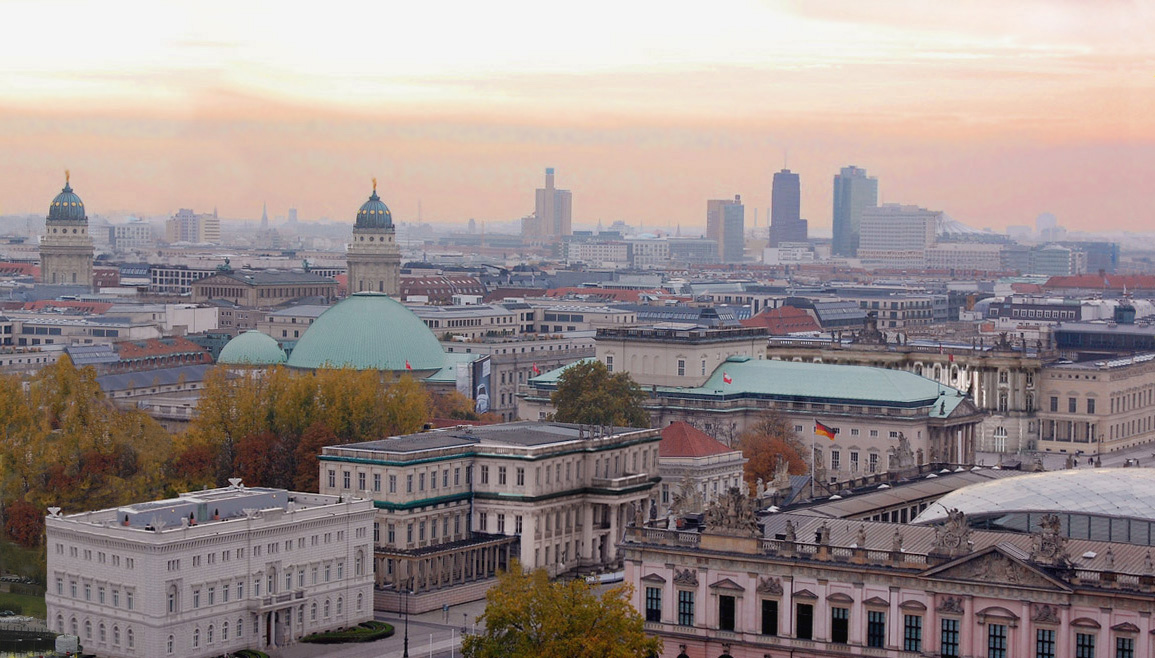
BERLIN
Listen, I’ve been to Berlin more times than I can count. I’ve made all the mistakes, fallen for the shiny brochures, and wasted money on things that simply aren’t worth it. My biggest takeaway? Most traditional tourist advice for Berlin is flat-out wrong. You want to experience the city? You need to ditch the pre-packaged tours and embrace the chaos, the history, and the incredible local vibe on your own terms. Don’t buy into the “convenience” of those big bus tours; they isolate you from what makes Berlin genuinely special.
My Top Berlin Recommendation: Ditch the Hop-On-Hop-Off
Here’s the deal: do not waste your money on a hop-on-hop-off bus tour. Seriously, don’t. These tours herd you around, give you a superficial glance at major landmarks from behind a window, and charge a premium for the privilege. They stop in places already swarming with tourists, and you learn almost nothing authentic about the city.
Instead, focus on walking tours and Berlin’s excellent public transport. You get a much richer, more personal experience. You can talk to locals, stumble upon hidden gems, and truly soak in the atmosphere of different neighborhoods. I’ve found the best way to grasp Berlin’s history is on foot, with someone who lives and breathes its stories.
Why Guided Walking Tours Win
Look for companies like Sandemans New Berlin Tours or Alternative Berlin Tours. They offer free (tip-based) walking tours that cover different aspects of the city – historical, alternative, street art. The guides are passionate, often local, and provide insights you’ll never get from a bus recording. I’ve done the free historical tour multiple times and always learned something new, even after all my visits. You’re walking the streets, feeling the cobblestones, seeing the memorials up close. That’s real engagement.
Mastering Berlin’s Public Transit
Berlin’s public transport system (BVG) is one of the best in Europe. The U-Bahn (subway), S-Bahn (urban rail), trams, and buses are clean, efficient, and cover almost every corner of the city. You don’t need a specific tour to see things; just grab a map (or use Google Maps) and ride. It’s far more flexible and significantly cheaper than any bus tour. Plus, riding the U-Bahn gives you a glimpse into daily Berliner life – a true cultural experience, not just a photo op.
Public Transport Passes: What Actually Works (and What Doesn’t)
Navigating Berlin’s transport system might seem daunting at first, but it’s incredibly user-friendly once you get the hang of it. Your main decision will be about tickets. Don’t fall for every tourist pass out there; most are designed to look like a deal but rarely save you money unless you’re hitting specific attractions aggressively.
Berlin Welcome Card: Is it Worth It?
Many visitors gravitate towards the Berlin Welcome Card. It offers unlimited public transport and discounts on attractions. The problem? Most people don’t enough discounts to justify the higher upfront cost. Unless you’ve meticulously planned out a schedule that includes 3+ paid museums or attractions every single day you’re there, you’re better off without it. I’ve seen countless travelers overpay for this card only to use it just for transport. It typically starts around €25 for 48 hours for zones AB, which quickly adds up.
Standard BVG Tickets: The Smart Choice
For most visitors, standard BVG tickets are the most economical and flexible option. Here’s a quick breakdown:
- Single Ticket (Einzelfahrschein): Around €3.20. Valid for two hours, unlimited transfers in one direction. Good for occasional trips.
- 4-Trip Ticket (4-Fahrten-Karte): Around €10.80. Four single trips, slightly cheaper per ride.
- 24-Hour Ticket (Tageskarte): Around €9.50. Unlimited travel for 24 hours. If you plan more than three trips in a day, this is your winner.
- 7-Day Ticket (7-Tage-Karte): Around €39. This is my go-to if I’m staying a full week. It’s excellent value and removes all thinking about tickets.
Always validate your ticket before your first journey (look for the small red or yellow boxes on platforms or inside trams/buses). Inspectors are frequent, and fines are hefty (around €60).
Eating in Berlin: Skip the Mitte Tourist Traps
Berlin’s food scene is incredible, but you won’t find its heart in the expensive, bland restaurants around the Brandenburg Gate or Alexanderplatz. Those places are designed for quick turnover and rarely offer a genuine taste of the city. To eat well in Berlin, you need to head a little off the main drag. Don’t be afraid to venture into neighborhoods like Kreuzberg, Neukölln, or Prenzlauer Berg.
Here’s what you should actually be eating and where:
- Currywurst: The Classic Street Food
- Where to Find the Best: Forget any place with English menus and glossy photos near a major landmark. My absolute pick is Curry 36 (Mehringdamm 36, Kreuzberg). It’s a Berlin institution. Expect a line, but it moves fast. They serve a perfect sausage, cut into pieces, smothered in their signature curry ketchup, with a sprinkle of curry powder. Get it with Pommes (fries) and mayonnaise. Expect to pay around €4-€6. It’s simple, iconic, and undeniably Berlin.
- Beyond Currywurst: Doner and More
- Doner Kebab: This isn’t just late-night food; it’s a Berlin staple. Turks brought it to Germany, and Berlin perfected it. Look for Mustafas Gemuese Kebab (Mehringdamm 32, Kreuzberg) – another spot with a legendary line. Their vegetarian kebab is famous too, loaded with roasted vegetables and special sauces. A full kebab is usually €5-€7 and a meal in itself.
- Schnitzel: For a proper German schnitzel, avoid tourist traps. Head to a traditional German restaurant in a quieter neighborhood. Places like Gasthaus Krombach (Prenzlauer Berg) or Lutter & Wegner (Gendarmenmarkt, a pricier but quality option) offer excellent versions. Expect €15-€25.
- Breakfast & Brunch: Berliners take brunch seriously. Forget hotel breakfasts. Explore the cafes in Prenzlauer Berg or Friedrichshain. Café Anna Blume (Kollwitzstraße 83, Prenzlauer Berg) is famous for its elaborate breakfast platters, though it can be busy.
Museum Island: Don’t Buy the “All Museums” Pass
Alright, let’s talk about Museum Island. It’s a UNESCO World Heritage site, and yes, it’s home to some truly world-class museums. But here’s my verdict: the Museum Island Ticket, which promises access to all five museums, is usually a waste of money for the average visitor. You simply won’t have the time or energy to see them all properly in a single day, or even two. It’s better to pick your battles and focus on 1-2 museums you genuinely care about.
Each museum costs around €10-€19 for entry. If you only visit two, you’ve already saved money compared to the €24-€30+ museum pass. Plan your visits strategically to maximize your experience.
Pergamon Museum: A Must-See (If It’s Open)
This is my absolute favorite, but there’s a huge caveat: the main hall with the Pergamon Altar is closed for renovations until at least 2027. Despite that, the Ishtar Gate and the Museum of Islamic Art sections are still open and incredible. If you’re interested in ancient architecture and history, it’s worth the €12. Check their official website for current exhibition status before you go. The sheer scale of the Ishtar Gate is breathtaking, and you can spend hours just absorbing the details.
Neues Museum: For Egyptian History Buffs
If you’re fascinated by ancient Egypt, the Neues Museum is your destination. It houses the iconic bust of Nefertiti, and she is truly captivating. Beyond Nefertiti, the museum’s collection of prehistoric and early historical artifacts is extensive. It’s a well-laid-out museum, typically less overwhelming than, say, the British Museum or the Louvre, but still packed with incredible pieces. Budget at least 2-3 hours here; the €14 entrance fee is absolutely justified for the quality of the exhibits.
Beyond the Obvious: My Favorite Berlin Hidden Gems
If you truly want to experience Berlin, you need to get away from the heavily touristed areas. The city is full of unique, often free, places that offer a real glimpse into its character. This is where the magic happens, where you feel the pulse of the city and understand its layers of history and resilience. These aren’t on every “top 10” list, and that’s precisely why they’re worth your time.
Tempelhofer Feld: An Urban Oasis
This is probably my favorite spot in Berlin, and it costs nothing. Tempelhofer Feld is the former Tempelhof Airport, which closed in 2008 and was repurposed as a massive urban park. Imagine walking, cycling, or rollerblading on actual runways! It’s an enormous open space, perfect for picnics, kite flying, or just watching the sunset. You’ll see locals gardening in community plots, grilling, or just lounging. It’s a powerful symbol of Berlin’s ability to reinvent itself and a fantastic place to observe local life. Spend a sunny afternoon here; it’s genuinely transformative.
Exploring Berlin’s Soviet Past
For something truly offbeat, consider visiting Spreepark. It’s an abandoned amusement park in the former East Berlin. You can’t enter the park itself (it’s fenced off and has security), but walking around the perimeter offers a wonderfully eerie glimpse of decaying rides and overgrown attractions. It’s a fantastic spot for photography and reflection on a different era. Another fascinating site is Teufelsberg, an abandoned Cold War listening station built on a man-made hill of rubble from WWII. It offers incredible views and a haunting sense of history. Access usually requires a small fee (€8-€10) for maintenance, but it’s self-guided and utterly unique.
Staying Connected: eSIMs or Local SIMs are Overrated
Do I Really Need an eSIM for Berlin?
Honestly? Probably not. Unless you absolutely need constant, high-speed data for work or endless streaming, buying an eSIM or a local SIM card for a short trip to Berlin is often overkill. Most hotels, cafes, and even some public spaces offer free Wi-Fi. I’ve found that relying on Wi-Fi and smart offline planning works perfectly fine, saving you money and hassle.
My advice is to enable Wi-Fi calling if your phone supports it, and use messaging apps like WhatsApp for communication. You’ll be connected enough without the extra expense.
Best Offline Apps for Navigation
The key to making this work is preparation. Before you leave your accommodation (or a café with free Wi-Fi), download offline maps. Google Maps allows you to download entire city regions, which means you can get directions, search for places, and navigate without using any data. Another excellent option is Citymapper, which works brilliantly in Berlin for public transport navigation and also has an offline mode for routes you’ve saved.
Don’t forget to screenshot important information like museum opening hours or restaurant addresses. This simple trick ensures you’re never truly lost or out of the loop, even without a constant data connection.
The Best Time to Visit Berlin? Avoid Peak Summer
Everyone thinks summer is the ideal time to travel, and while Berlin in August can be lively, it’s also crowded, hot, and often more expensive. My strong recommendation? Avoid peak summer (July-August) if you can. You’ll get more out of your trip and have a far more pleasant experience during the shoulder seasons.
Crowds are thinner, temperatures are more comfortable, and you’ll often find better deals on accommodation and flights. Plus, Berliners themselves often leave the city in August, so you miss out on some local flavor.
Spring: Flowers and Festivals
Late spring (April-June) is glorious in Berlin. The city shakes off its winter gray, parks burst into bloom, and outdoor cafes open up. Temperatures are usually mild, ranging from 10°C to 20°C, perfect for walking and exploring. You’ll find a lively atmosphere without the intense crowds of summer. Events like Gallery Weekend in April and the Karneval der Kulturen in June offer unique cultural experiences. It’s a fantastic time to see the city come alive.
Autumn: Golden Hues and Fewer Crowds
Early autumn (September-October) is another prime time. The leaves turn golden, the air is crisp, and the summer crowds have largely dispersed. Temperatures are still pleasant (10°C to 18°C), and the light is beautiful for photography. This period often hosts events like the Berlin Marathon and the Festival of Lights, transforming the city with art installations and illuminations. It’s arguably the most atmospheric time to explore Berlin’s parks and historical sites.
Berlin isn’t just a city of history; it’s a living, breathing entity that constantly redefines itself. Don’t let generic travel advice dictate your experience. Go beyond the obvious, embrace the unexpected, and let the real Berlin unfold before you.