
Travel Safety: My Essential Tips for Secure Journeys
Listen, if you take nothing else away from my years on the road, remember this: your digital security is just as vital as your physical safety. Maybe more so, because a breach there can follow you long after you’ve left a place. This isn’t about being paranoid; it’s about being prepared. I’ve seen too many travelers get complacent, only to deal with identity theft or drained accounts later. Don’t be that person. Protecting your data and your devices needs to be at the top of your travel safety checklist, no exceptions.
I’ve put together my core strategies, the ones I live by. These aren’t just theoretical; they’re battle-tested. I’ll tell you what works, what doesn’t, and what gear is genuinely worth your money.
Digital Fortification is Non-Negotiable
Seriously, this is where most people screw up. They think a secure wallet is enough. It’s not. Your phone, your laptop, your cloud accounts—these are goldmines for opportunistic thieves, and they don’t even need to physically take your stuff. I’m telling you, prioritize this. A compromised digital life can unravel your trip and haunt you for years. It’s not just about losing photos; it’s about losing financial control, identity, and peace of mind.
Always Use a Reliable VPN
Connecting to public Wi-Fi without a VPN is like screaming your data into the void. Don’t do it. Every café, airport, or hotel network is a potential trap. A VPN encrypts your internet traffic, making it unreadable to anyone trying to snoop. For years, I’ve relied on services like NordVPN or ExpressVPN. They’re not expensive, usually around $10-$15 a month, and the peace of mind is priceless. Ensure it has a kill switch, which automatically disconnects your internet if the VPN drops, preventing accidental exposure. Check their server locations; more options mean better speeds and access.
Secure Your Devices and Cloud Storage
Full disk encryption on your laptop (BitLocker for Windows, FileVault for Mac) isn’t optional. It’s mandatory. If your device gets stolen, at least your data is safe. For phones, strong passcodes and biometric security are obvious, but also set up remote wipe capabilities immediately. For cloud storage, use services with end-to-end encryption. I personally use Proton Drive for highly sensitive documents. For photos and less critical files, I use Google Photos but ensure two-factor authentication (2FA) is on for that Google account. Speaking of 2FA, turn it on for absolutely everything: email, banking, social media, everything. An authenticator app like Authy is far better than SMS codes.
Backup Everything, Then Backup Again
This isn’t just about security; it’s about not losing your memories. I have a three-tiered backup system. First, local backups to a small, rugged external SSD like a Samsung T7 Shield. Second, cloud sync for active files. Third, an automated, off-site cloud backup like Backblaze for everything else. Losing a camera or phone is bad enough; losing all the photos and videos with it is soul-crushing. This setup ensures that even if my bag walks off, my digital life remains intact. It costs a bit, but it’s an investment against total loss.
The Gear That Actually Matters
Okay, so your digital life is locked down. Now let’s talk about the physical stuff. Most “travel safety gear” is junk. Seriously. I’ve bought enough overpriced gimmicks to know what actually works and what just adds weight. Here’s my definitive list of what to carry:
- Anti-Theft Backpack: Forget standard backpacks. They’re too easy to slash or pickpocket. I recommend bags from Pacsafe. Their Metrosafe line is solid. They have steel mesh embedded in the fabric and lockable zippers. It’s not completely impenetrable, but it’s a huge deterrent. I’ve used their Pacsafe Metrosafe LS450 for years. It fits a 15-inch laptop, holds about 25 liters, and costs around $120-$150. Other good options come from Travelon, especially their Anti-Theft Classic Backpack, which is a bit smaller at 15L and around $80.
- TSA-Approved Cable Locks: Not just any lock. Get one with a flexible cable, like the Master Lock 4688D or the Lewis N. Clark Triple Security Lock. They’re versatile enough to secure zippers on your bag to fixed objects in a hostel or train. The cable makes them far more useful than rigid shackle locks. Expect to pay $10-$15 per lock. I carry two.
- Hidden Money Belt/Pouch: This is for emergency cash and one backup card. Not your primary wallet. Wear it under your clothes. The Eagle Creek Silk Undercover Money Belt is discreet and comfortable. It’s around $20. Do NOT access it in public. Go to a restroom, discreetly take out what you need, and put it away.
- RFID-Blocking Wallet: Most credit cards have RFID chips now. An RFID-blocking wallet prevents electronic pickpocketing. Any decent leather wallet with RFID blocking will do. Don’t overthink it; just make sure it has the feature. I use a simple one from Bellroy, but there are plenty of cheaper options.
- Personal Safety Alarm: A small, loud personal alarm can be a lifesaver. It won’t stop an attacker, but the sudden, piercing sound (often 120dB+) can startle them and draw attention. The SABRE Personal Safety Alarm is a popular choice, typically under $15. Clip it to your bag or keys.
Mastering Your Environment, Not Just Reacting
The best safety gear in the world won’t save you if you’re not paying attention. Situational awareness is free, and it’s your most powerful tool. This isn’t about being on high alert constantly, but about understanding your surroundings and minimizing risks before they become problems. I’ve learned that a little bit of proactive effort goes a long way in avoiding trouble.
Research Local Scams Before You Arrive
Every major tourist destination has its classic scams. The “fake police,” the “spilled drink,” the “free souvenir” that isn’t free. A quick search for "[City Name] common tourist scams" will arm you with incredible knowledge. Knowing what to look for makes you a harder target. For instance, in Paris, you might encounter the "gold ring drop" scam; in Rome, the "friendly bracelet weaver." Recognize these patterns, and you’ll sidestep trouble. I always spend an hour before landing researching this. It’s time well spent.
Here’s a quick reference for common scam types:
| Scam Type | How it Works | Key Red Flags |
|---|---|---|
| Distraction Theft | One person distracts you (e.g., asks for directions, spills something, offers a ‘free’ item), while another picks your pocket or snatches your bag. | Unsolicited interactions, sudden physical contact, overly friendly strangers. |
| Fake Authority | Someone impersonating a police officer or official demands to see your passport or wallet, often claiming drug searches or currency checks. | Officers in plain clothes, demands for money or documents on the street, refusal to show ID. |
| Overpriced Services | Taxi drivers taking long routes, street vendors charging exorbitant prices for trivial items, or unmetered taxis. | Refusal to use a meter, no clear pricing, pushy vendors, ‘special’ prices just for you. |
| Rental Scams | Motorbike or car rental places falsely claiming damage upon return, forcing you to pay inflated repair costs. | Refusal to let you photograph existing damage, no proper contract, insistence on cash. |
Emergency Contacts and Local Apps
Have local emergency numbers saved in your phone and written down. Don’t rely solely on your phone; a dead battery means you’re out of luck. Know your embassy’s number. Download local ride-sharing apps (like Uber or Bolt) but also identify reputable local taxi companies. For navigation, I trust Google Maps offline downloads, but also use apps like what3words, which gives every 3-meter square a unique three-word address – incredibly useful for pinpointing locations in an emergency where traditional addresses might be vague. These small preparations make a massive difference when things go sideways.
Money Smarter, Not Harder
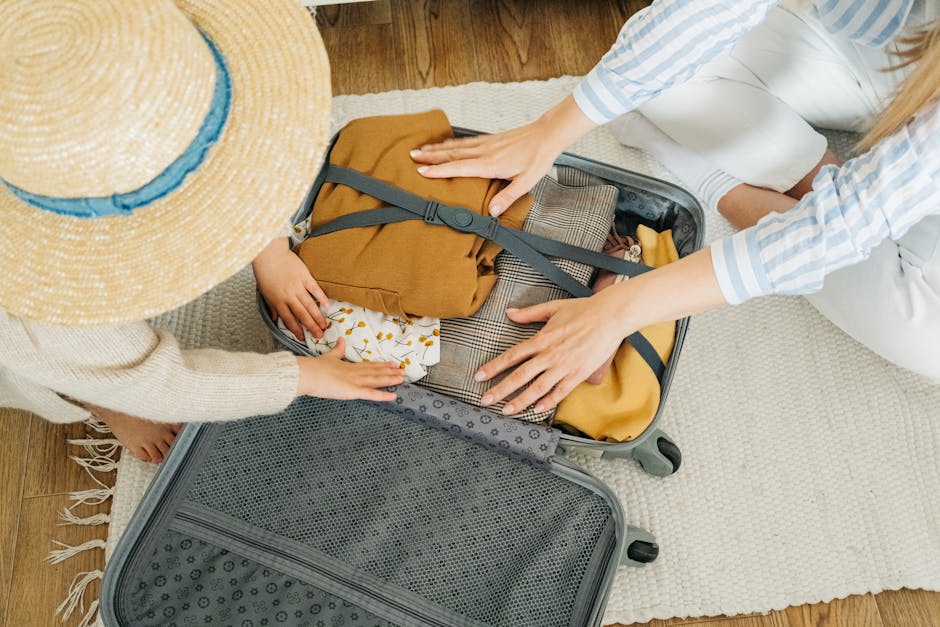
This is my golden rule for finances on the road: Never, ever carry all your cash, cards, and important documents in one place. That’s just asking for trouble. If your wallet gets lifted, you’re not completely stranded. It’s a simple strategy that provides an immediate safety net.
Multiple Card Strategy and Emergency Funds
I travel with at least two different debit cards from different banks, and two credit cards. One debit and one credit card are my primary, kept in my wallet. The other pair are stored separately in my hidden money belt, or even locked in my luggage back at the accommodation. I also carry a small amount of emergency cash ($100-$200 equivalent) in a separate, secure spot. This way, if my main wallet is lost or stolen, I still have access to funds. Make sure your primary credit card (I use my Chase Sapphire Reserve for its travel benefits and fraud protection) has zero foreign transaction fees. It saves a surprising amount over time.
Travel Insurance is Non-Negotiable
I used to skip this. Big mistake. Travel insurance isn’t just for medical emergencies, though that’s a huge part of it. It also covers trip interruptions, lost luggage, and theft. Read the policy details carefully. Understand what’s covered and what isn’t. For short trips, I often use basic coverage. For longer, more adventurous journeys, I go with comprehensive plans from companies like World Nomads or SafetyWing. It’s an upfront cost, but if you break an ankle hiking in Nepal, you’ll be glad you have it. Don’t skimp here. The deductible might be $100-$250, but compared to a $50,000 medical bill, it’s a bargain.
Trust Your Gut. Period.
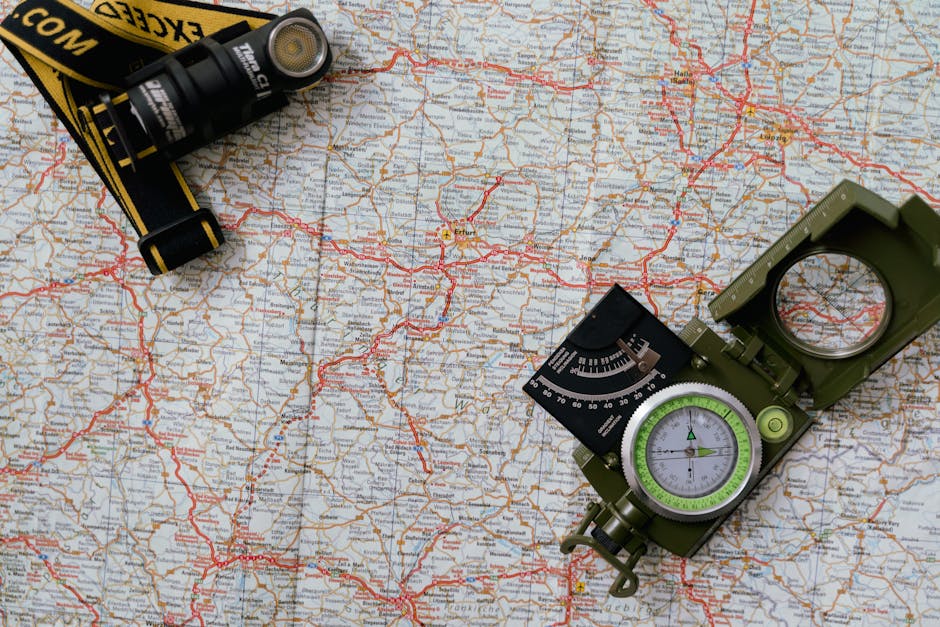
This is the most critical safety tip I can give you, and it costs nothing: if something feels off, it is. Listen to that feeling. Your subconscious picks up on subtle cues that your conscious mind might miss. Ignoring it is how people get into bad situations. Don’t rationalize away that uneasy feeling. It’s there for a reason.
Listening to Your Instincts
I’ve walked away from situations that just felt wrong—a taxi driver who seemed too insistent, a street that suddenly felt too quiet, a group of people who seemed to be watching me. Every single time, I’ve been glad I did. Your intuition is a powerful, finely tuned survival mechanism. It’s better to be safe and slightly inconvenienced than to push through a bad feeling and end up in real trouble. If you feel like you’re being followed, duck into a busy shop or restaurant, or cross the street and observe. Don’t be afraid to make a scene if you need to.
Setting Clear Boundaries and Exiting Unsafe Situations
Be polite but firm. If someone is bothering you, a simple, clear "No, thank you" or "Leave me alone" is usually enough. Don’t engage in lengthy explanations or arguments. If a situation escalates, your priority is to remove yourself. Walk away. Run if necessary. Don’t worry about being rude. Your safety is . If you’re in a bar and someone is making you uncomfortable, don’t just stay there. Move to another area, tell the bartender, or simply leave. Having an exit strategy is a good habit. Always know where the exits are.