
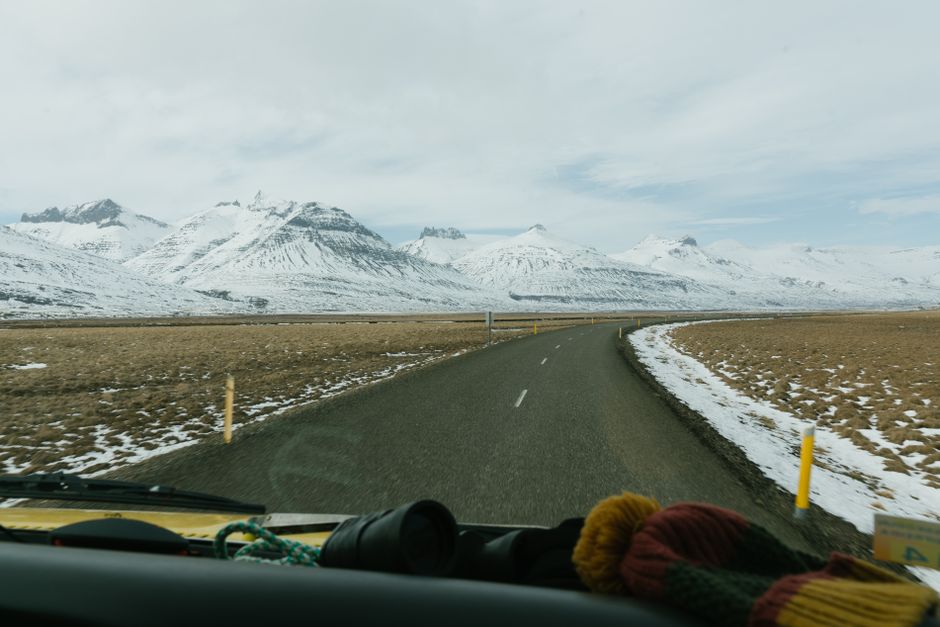
Iceland Carry-On Winter Packing: The 7kg Reality Check
You booked the cheap Icelandair flight. Then you saw the carry-on weight limit: 10kg combined, including your personal item on some fare classes. And you’re going to Iceland. In winter. For two weeks. The math feels impossible until you realize most people pack for fear, not for conditions.
This is not a generic packing list. It’s a weight-budget breakdown for one carry-on bag under 7kg of clothing and gear, leaving room for the bag itself and your tech. The goal is to walk past the gate agent at Keflavik without holding your breath.
The Weight Budget That Actually Works
Most carry-on packing guides tell you what to bring. They skip how much each item weighs. That’s the failure point. A wool sweater can weigh 600g. A fleece can weigh 250g. Two sweaters and you’ve burned a kilo on redundant insulation.
Here’s the reality: Icelandair’s standard carry-on allowance is 10kg for the overhead bag plus a small personal item. WOW air used to be stricter at 5kg before they collapsed. Play Airlines allows 10kg but charges for anything over. The point is, you need a hard budget, and everything below assumes you’re holding at 7kg of clothing and gear so the bag, toiletries, and a camera don’t push you past 10kg.
| Item | Specific Example | Weight | Worn vs Packed |
|---|---|---|---|
| Base layer top | Icebreaker 200 Oasis merino crew | 220g | Worn on plane |
| Base layer bottom | Smartwool Classic Thermal merino | 180g | Packed |
| Mid-layer fleece | Patagonia R1 Air full-zip | 290g | Worn on plane |
| Insulated jacket | Arc’teryx Atom LT hoody | 375g | Packed |
| Shell jacket | Patagonia Torrentshell 3L | 400g | Worn on plane |
| Shell pants | Marmot PreCip Eco full-zip | 280g | Packed |
| Travel pants | Outlier Slim Dungarees | 400g | Worn on plane |
| Second pair pants | Prana Brion (synthetic, quick-dry) | 340g | Packed |
| Down puffy | Uniqlo Ultra Light Down parka | 300g | Packed |
| Socks (3 pairs merino) | Darn Tough Hiker Micro Crew | 210g total | 1 worn, 2 packed |
| Gloves + hat + buff | Sealskinz + merino beanie + Buff | 180g total | Packed |
| Swimsuit | Any synthetic trunks/one-piece | 90g | Packed |
| Total | 3,265g packed + worn items on body |
That’s 3.3kg of clothing. Add a second base layer top (200g), a pair of liner gloves (40g), and a sleep shirt (150g), and you’re at 3.7kg. You still have room for toiletries, a battery pack, and your bag weight. The secret isn’t fewer items. It’s lighter versions of the same items.
The Uniqlo Ultra Light Down costs $80 and weighs 300g. The Arc’teryx Cerium SV weighs 415g and costs $450. You’re paying $370 to save 115 grams. Not worth it for a carry-on. Spend that money on better base layers instead.
Layering Math: Why Two Thick Layers Fail
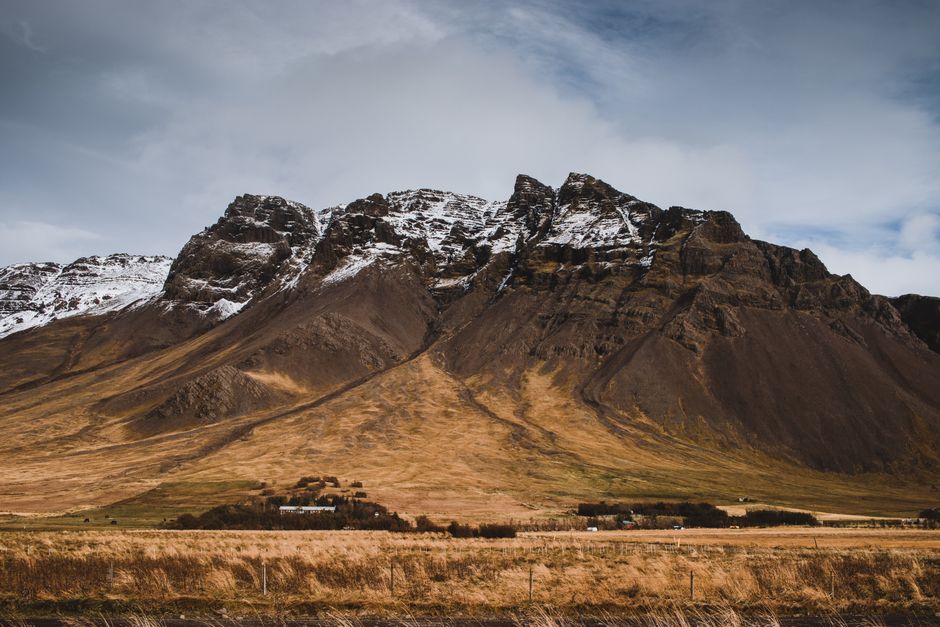
Iceland winter temperatures hover between -5°C and 3°C on the coast, but wind chill at Seljalandsfoss or Reynisfjara can make it feel like -15°C. The mistake people make is bringing one massive parka and one thick sweater. Then they walk into a heated bus or a café and start sweating. Wet base layers in Iceland mean you’re cold for the rest of the day. Nothing dries in that humidity.
The system that works is four thin layers, not two thick ones.
- Layer 1 — Merino base: Icebreaker 200 or Smartwool 250. Wicks sweat, doesn’t stink after three wears. You can wear one merino top for four days before it needs a wash. Synthetic base layers stink after one.
- Layer 2 — Fleece or thin wool: Patagonia R1 Air ($119) or a merino hoodie. Traps heat without bulk. The R1 Air weighs 290g and dries in a few hours.
- Layer 3 — Insulation: A packable down or synthetic puffy. The Uniqlo Ultra Light Down ($80) is the budget pick. The Patagonia Micro Puff ($299) is lighter at 264g but not three times better.
- Layer 4 — Hard shell: Must be waterproof, not water-resistant. The Patagonia Torrentshell 3L ($179) uses a 3-layer membrane. The Marmot PreCip ($100) is a 2.5-layer budget option that works fine for two weeks.
The shell is non-negotiable. Iceland rain comes sideways. A water-resistant softshell will wet through in 20 minutes at Skógafoss. If you’re only buying one expensive piece, make it the shell.
What People Pack That They Never Use
Jeans. That’s the number one mistake. Cotton denim weighs 600-800g per pair, soaks up water, and takes two days to dry in Iceland’s damp air. You’ll wear them once, get caught in drizzle at a waterfall, and then carry a wet 700g weight penalty for the rest of the trip.
Other items that should stay home:
- Hiking boots: You don’t need them unless you’re doing serious glacier hiking. Waterproof trail runners or winter sneakers with good tread work for Golden Circle stops and Reykjavík streets. Boots weigh 1kg+ and eat your entire budget.
- Multiple bulky sweaters: One mid-layer fleece plus one puffy beats three sweaters. Weight: 665g vs 1,800g.
- Umbrella: Useless in Icelandic wind. It’ll invert in 30 seconds.
- Full-size toiletries: You can buy shampoo, conditioner, and body wash at any Bonus or Krónan supermarket. A 100ml bottle of Icelandic shampoo costs 400 ISK ($3).
- A second pair of jeans or heavy trousers: One pair of synthetic travel pants and one pair of shell pants covers everything.
The biggest failure mode is packing for hypothetical scenarios. You will not need a formal outfit in Iceland. You will not need four pairs of shoes. You will need dry feet, warm hands, and a shell that keeps wind out. Everything else is fear packing.
Feet, Hands, and Face: The Three Failure Points
If your feet are wet or your hands are numb, the whole trip feels miserable. These three areas deserve more attention than your torso layering because they fail first and fail hardest.
Socks: Merino or Nothing
Darn Tough Hiker Micro Crew socks cost $25 a pair. That sounds expensive until you realize they have a lifetime warranty and you only need three pairs for two weeks. Merino wool socks wick moisture, resist odor, and keep insulating even when damp. Cotton socks are a liability. Bring three pairs: one worn, two packed. Wash them in a sink with Dr. Bronner’s and they dry overnight near a radiator.
Gloves: Liners Matter More Than Shells
Thick ski gloves are too bulky for photography and too warm for walking around Reykjavík. The better system is a thin merino liner glove (Smartwool Liner, $25) under a waterproof shell mitt. The liner gives you dexterity for your phone and camera. The shell blocks wind and rain. Combined weight: under 100g. The Sealskinz waterproof gloves are a single-glove alternative if you hate layering.
Face and Neck: A Buff Beats a Scarf
A merino Buff weighs 40g and covers neck, ears, and lower face. A scarf weighs 150g and falls off constantly in wind. This is not a debate. Bring the Buff.
For footwear, the best carry-on pick is a pair of waterproof trail runners like the Salomon XA Pro 3D GTX ($160) or the Adidas Terrex Free Hiker GTX ($200). They weigh around 350g per shoe, grip wet volcanic rock, and don’t look out of place in a Reykjavík café. If you’re doing a glacier hike, rent boots from the tour operator for 1,500 ISK ($11) instead of carrying your own.
Swimwear, Sleepwear, and the Laundry Reality
You’re going to hot springs. The Blue Lagoon, Sky Lagoon, Secret Lagoon, and dozens of local pools all require swimwear. A swimsuit weighs 90g and takes up no space. Bring it. The mistake is forgetting it and then paying 2,000 ISK ($15) to rent one at the Blue Lagoon.
For sleepwear, bring one lightweight merino t-shirt or a synthetic running shirt. It doubles as an extra base layer if your main one gets soaked. That’s 150g well spent.
The laundry reality: Iceland has laundromats in Reykjavík (The Laundromat Café on Austurstræti does wash-and-fold for about 2,500 ISK). Outside the capital, you’re doing sink laundry. Merino and synthetic fabrics dry overnight. Cotton doesn’t. This is why every item on this list is either merino or synthetic. It’s not a preference. It’s a logistics decision.
One more thing: bring a universal sink stopper. Most Icelandic guesthouse sinks don’t have one. A flat rubber stopper costs $3 and weighs 20g. Without it, sink laundry is a frustrating mess.
The 7kg Carry-On, Line by Line
Here’s the full carry-on weight breakdown for two weeks in Iceland, assuming you wear the heaviest items on the plane.
Worn on the plane (not counted in bag weight): Merino base top (220g), R1 Air fleece (290g), Torrentshell shell (400g), Outlier pants (400g), Darn Tough socks (70g), Salomon shoes (700g), merino beanie (60g). Total worn: 2,140g.
Packed in the carry-on: Second base top (200g), base bottom (180g), Atom LT (375g), Uniqlo down (300g), PreCip shell pants (280g), Prana Brion pants (340g), 2 pairs socks (140g), 2 pairs underwear synthetic (120g), swimsuit (90g), sleep shirt (150g), liner gloves (40g), shell mitts (80g), Buff (40g), sink stopper (20g), Dr. Bronner’s 60ml (70g), toothbrush and toothpaste (50g), deodorant (50g), phone charger and cable (100g), 10,000mAh battery pack (200g). Total packed: 2,905g.
That’s under 3kg of packed items. Add your empty bag — a 40L carry-on backpack like the Osprey Farpoint 40 weighs 1.6kg, or a rolling carry-on like the Travelpro Maxlite 5 weighs 2.3kg. You’re at 4.5-5.2kg total. You have 5kg of headroom before hitting Icelandair’s 10kg limit. That’s room for a camera, a laptop, or souvenirs.
The carry-on backpack beats the roller for Iceland. Sidewalks in Reykjavík are icy, and you’ll be walking on gravel paths at waterfalls. Wheels don’t work on gravel. The Osprey Farpoint 40 ($185) opens like a suitcase, which solves the main complaint about backpacks.
If you’re flying Play Airlines, their basic fare only includes a personal item. That changes the math completely. You’d need a 25L pack and everything above gets tighter. The Patagonia Black Hole 25L ($139) is the right tool for that fight. But for Icelandair or a standard carry-on fare, the 40L system above works.
This is not financial advice and it’s not a packing guarantee. It’s a weight spreadsheet. The numbers don’t lie.