

Winter Music City Breaks 2026 with Warm Venues
A winter music city break works best when the concert is not the only indoor part of the plan. Choose a compact city, book a venue with reliable access, and leave enough time to get warm between stops. No U.S. state law is discussed here; this is travel planning, not legal advice — consult a licensed attorney.
How to choose a winter music city break that stays warm
Indoor music density is the best test for a cold-weather city break. A famous venue does not help much if reaching it requires a 40-minute walk, two exposed transport changes, and a late-night wait on an outdoor platform. The winning destination puts the hotel, main station, food, and concert hall inside one compact area.
Set a realistic indoor threshold
Plan for at least 70 percent of your waking time to take place indoors. That can mean a concert hall, museum, covered market, hotel lounge, café, or railway station with seating. For a two-night trip, book one main concert and one backup music option, such as a chamber recital, jazz club, organ performance, or record shop event. The backup matters because winter schedules change more often than summer plans, and a delayed train can erase a carefully timed evening.
Map the route before buying the ticket
Measure the route from your hotel to the venue, not just the distance between the city centre and the hall. A practical target is 15 minutes or less on foot, with a tram or taxi option if rain or snow becomes heavy. Add a two-hour weather buffer before the concert. Use that time for an early meal near the venue, coat check, ticket collection, and a short indoor stop. Avoid booking a concert that starts within 45 minutes of your arrival unless the venue sits inside the station or airport terminal.
The clear verdict is simple: choose a city with one strong indoor music anchor and several smaller venues nearby, rather than a larger destination that forces you outside all day.
Which European music cities have the safest indoor plan?
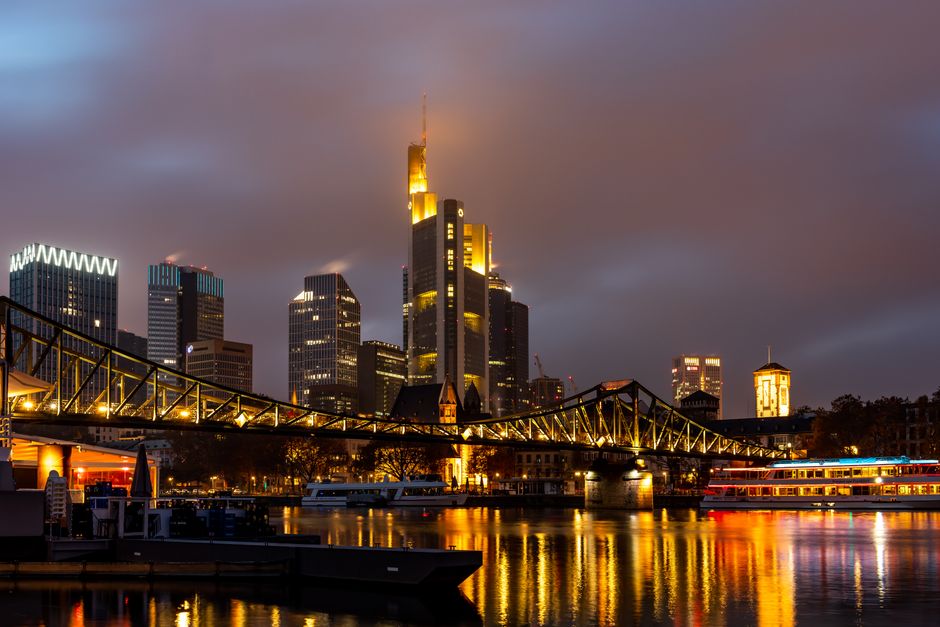
For a first winter trip, Hamburg is the strongest all-round choice because its headline concert buildings, public transport, and central attractions can be joined into a short route. Vienna wins for classical music depth and affordable younger-person access. London has the broadest programme, but its size creates the greatest transfer risk.
Compare the main winter options
| City | Indoor music anchor | Verified winter price signal | Best use |
|---|---|---|---|
| Hamburg | Elbphilharmonie | Winter Fairytale tickets from €29.50 for 26 December 2026 | One spectacular hall with short indoor sightseeing routes |
| Vienna | Musikverein | U30 concert tickets from €10; guided tours from €6 | Classical music, historic halls, and strong daytime culture |
| London | Barbican Centre | Event prices vary by performance and seat; winter 2026 listings are published online | Wide genre choice when a traveller accepts longer transfers |
| Berlin | Konzerthaus Berlin | €2 online service fee per ticket | Central classical concerts around Gendarmenmarkt |
Pick by trip length
For 48 hours, choose Hamburg or Vienna. Both give you a strong concert identity without requiring a cross-city journey for every activity. For three or four nights, London becomes more attractive because the larger programme can support several genres. Berlin is a good choice for travellers who want classical music plus museums and late cafés around a central district.
Ticket prices change by date, seat, age band, and organiser. Treat the figures above as planning signals, then confirm the final total on the official box office before paying. The best value winner is Vienna for travellers under 30, while Hamburg gives the clearest premium experience at a published entry price.
How to build a weather-proof 48-hour music itinerary
The most reliable schedule has one fixed music event, one flexible cultural block, and a spare indoor hour before every important departure. Do not fill every gap with outdoor sightseeing. Winter trips fail when a single wet walk leaves a traveller cold, late, and too tired to enjoy the concert.
Use this two-day sequence
- Day one morning: Arrive before midday, check luggage, and eat within walking distance of the hotel. Keep the first two hours unbooked in case the train or flight runs late.
- Day one afternoon: Choose one indoor cultural stop lasting 60 to 90 minutes. Leave the venue area before dinner only if the weather is dry and transport is direct.
- Day one evening: Eat early, reach the concert building 45 to 60 minutes before the start, and allow time for the cloakroom. Keep the return route simple.
- Day two morning: Visit a covered market, museum, gallery, or café district. This is the right time for photos because the schedule has not yet become tight.
- Day two afternoon: Use the flexible block for a second music event, a record shop, or a short guided tour. If the forecast worsens, replace the outdoor walk rather than the evening concert.
- Day two evening: Choose either a second ticketed performance or a small local venue. Avoid placing a major concert on the same night as a long-distance departure.
Leave a failure-proof exit route
Save the venue address, hotel address, ticket barcode, and local transport map offline. Carry a small battery pack, but do not depend on a phone signal inside a crowded station. If a concert is cancelled, ask the box office about refunds or exchanges before buying another ticket; the applicable terms usually depend on the organiser and country.
The verdict: one major performance plus one flexible music block produces a better winter weekend than three tightly timed concerts.
What can go wrong with winter concert bookings?
Winter music travel becomes expensive when the booking process is treated like a simple hotel reservation. Concert tickets can have strict sale windows, limited exchanges, age restrictions, delivery rules, and separate fees. The safest approach is to resolve the practical questions before committing to non-refundable transport.
Can a ticket be cancelled after purchase?
Often, no. The Musikverein states that its confirmed ticket orders are binding and cannot be cancelled, so a traveller should check the performance date, start time, seat location, and collection method before payment. Other venues may follow different rules. Keep a screenshot of the terms shown at checkout, especially when buying through a third-party promoter rather than the venue box office.
What happens if the weather disrupts the journey?
A concert ticket usually does not protect the cost of a missed train, hotel night, or connecting flight. Book the venue only after checking the final arrival time and the last practical transport connection. Avoid a same-day airport-to-concert plan in December or January. A delay of 30 minutes can become much longer when snow, flooding, or a public holiday reduces service.
Which common mistakes should be avoided?
- Booking the cheapest seat without checking whether the view is restricted or the hall has steep stairs.
- Choosing a venue outside the central transport network because the ticket looks cheaper.
- Assuming a concert ticket includes every attraction in the building; some platforms, tours, or special areas need separate tickets.
- Leaving coat-check and security time out of the evening plan.
- Buying resale tickets before checking the official box office and the venue’s entry rules.
The clear recommendation is to buy from the venue or its named ticket partner, read the conditions before payment, and keep one indoor backup activity that costs little or nothing.
What is the best winter music city break for 2026?

Hamburg is the best overall pick for a two-night winter music city break in 2026. The Elbphilharmonie supplies a memorable indoor anchor, the official programme shows a Winter Fairytale performance from €29.50 on 26 December 2026, and the building connects the concert with a covered arrival sequence, a major viewing platform, and nearby transport. The venue also lists a 435-space car park, although public transport remains the simpler choice for most visitors.
Choose Vienna for classical depth
Vienna is the better choice for a traveller who wants several classical options rather than one landmark performance. The Musikverein offers U30 tickets from €10 and guided tours from €6, while its central location makes it easier to pair a concert with museums, cafés, and short indoor transfers. Confirm the general sale date because member and public booking windows differ.
Choose London for range, not simplicity
London wins when genre choice matters more than compact geography. The Barbican’s 2026-27 classical programme covers a broad winter calendar, but the city demands more route planning and a larger weather buffer. For a short trip, Hamburg is the decisive recommendation; for a classical-focused traveller under 30, Vienna offers the strongest value.
The most important takeaway is to choose the city that puts your main music venue, hotel, food, and backup plan inside one warm, reliable route.