
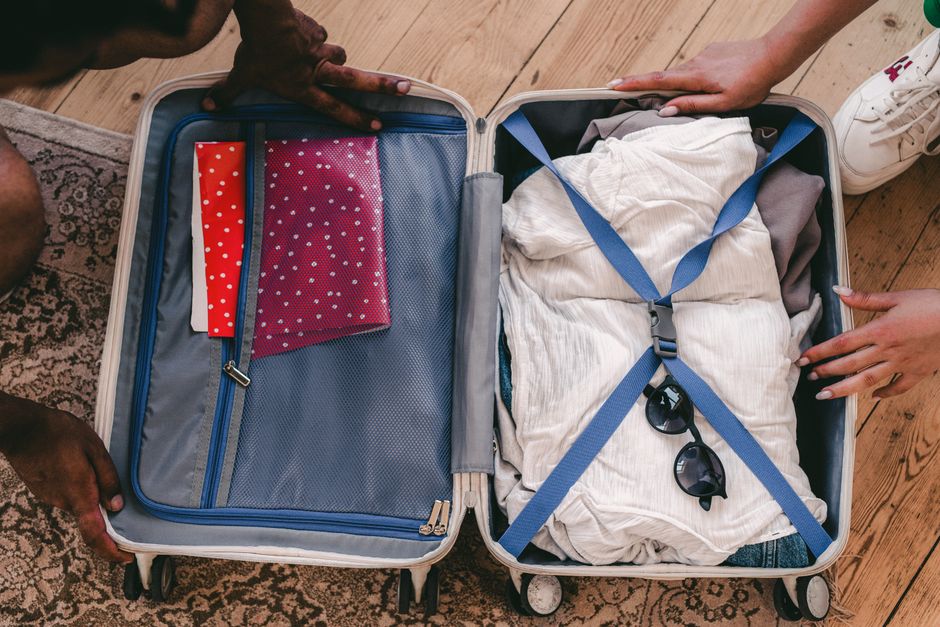
Packing List For Xinjiang: Xinjiang Packing Mistakes: The Overpacker’s Guide to a Leaner Bag
Most travelers pack for Xinjiang like they’re going to the beach in Hainan. Then they land in Urumqi at 6 a.m., step outside, and realize the morning air is 8°C while the afternoon will hit 34°C. The bag is full of tank tops. The jacket is at home. This is the core packing problem for Xinjiang: it is not one climate. It is three climates stacked on top of each other, and your bag has to handle all of them without breaking your back on a 14-hour train from Urumqi to Kashgar.
This article fixes the three most common Xinjiang packing failures. No affiliate links. No product placement. Just the logic of what actually goes in the bag, what stays home, and why the standard advice about layers is incomplete for this region.
The Climate Problem Most Packing Lists Ignore
Xinjiang’s geography creates a specific failure pattern. The Taklamakan Desert in the south bakes at 40°C in July. The Tianshan Mountains an hour outside Urumqi can drop to freezing at night even in August. And every city in between runs on a diurnal temperature swing that routinely hits 15-20°C between noon and midnight.
Most generic packing lists say “bring layers.” That advice fails here because the layers you need are not the same weight class. A cotton hoodie over a t-shirt is a layer system for San Francisco. It is not a layer system for Kashgar, where the sun is relentless and the shade is rare.
The Three-Zone Framework
Think of Xinjiang as three zones you will cross in a single day:
- Zone 1 — Urban daytime: Urumqi, Kashgar, Turpan. Dry heat, strong sun, dust. You need sun protection first, airflow second.
- Zone 2 — Desert and basin: Taklamakan edges, Turpan Depression. Extreme dry heat, no shade, fine sand that gets into everything. You need full coverage, not less clothing.
- Zone 3 — Mountain and night: Tianshan, Karakoram Highway stops, any city after 10 p.m. You need real insulation, not a fashion layer.
If your bag cannot handle all three zones, you will buy replacements in Urumqi. That is not a disaster — the bazaars sell everything — but you will pay tourist prices for a jacket you already own at home.
What Actually Belongs in the Bag: A Working List
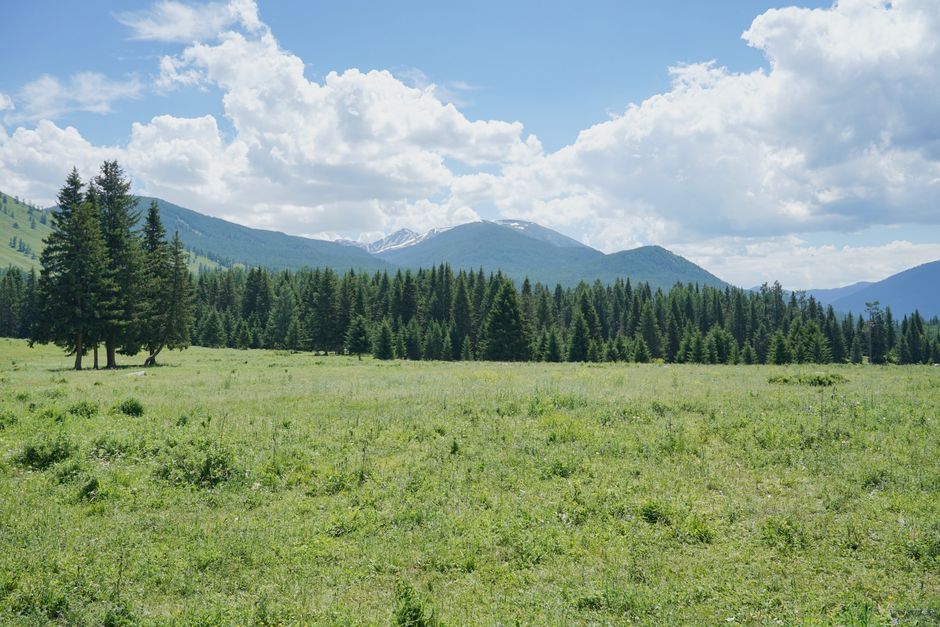
Here is the list I would hand a friend who asked me tomorrow. It assumes a 10-14 day trip across at least two of the three zones. It fits in a 40L carry-on if you are disciplined.
Tops and Bottoms
- Two long-sleeve linen or cotton shirts. Long sleeves are not optional in Zone 2. The sun will cook exposed skin faster than you think, and the sand will stick to sunscreen.
- One merino wool base layer top. This is the night and mountain layer. Merino dries fast, does not smell after three wears, and packs to the size of a grapefruit.
- Two pairs of lightweight hiking pants or loose cotton trousers. Skip jeans for the desert portions — they hold heat and chafe when you sweat.
- One pair of thermal leggings for mountain nights and long train rides.
The Insulation Layer
This is where most bags go wrong. You need one piece that handles Zone 3 without taking up a third of your bag. A packable down jacket — something like the Uniqlo Ultra Light Down (around $79, packs into its own pouch) or the Patagonia Down Sweater (heavier, warmer, $279) — is the right call. If you run cold, add a thin fleece. If you run hot, the down jacket alone is enough for most August nights in Kashgar.
Do not bring a heavy wool coat. You will carry it through 35°C afternoons and hate it.
Footwear: The One Area to Spend Money
Xinjiang is a walking region. The old towns of Kashgar, the bazaars of Urumqi, the mountain trails — all of it is on your feet. Bring two pairs:
- Broken-in hiking shoes or trail runners. Something with real tread for gravel and loose sand. The Salomon X Ultra 4 is a solid pick for mixed terrain. Do not bring brand-new shoes. The break-in period will ruin your first three days.
- One pair of sandals or slip-ons. For guesthouses, mosque visits where you remove shoes, and letting your feet breathe after a long day.
Skip the heavy leather boots unless you are doing serious multi-day trekking. For most travelers, trail runners are lighter and dry faster.
Sun and Dust Protection
This is the section most first-time Xinjiang travelers under-pack. The sun in the Taklamakan is not the same sun you get in Shanghai or London. It is high-altitude, low-humidity, and relentless. The dust is fine enough to get into camera lenses, phone ports, and your lungs on windy days.
- A wide-brim hat, not a baseball cap. Your ears and neck need coverage.
- UV-rated sunglasses. Not fashion sunglasses. Look for UV400 rating.
- A lightweight scarf or buff. This is the single most versatile item in the bag — sun protection, dust mask, mosque head covering, and warmth on cold train cars.
- Sunscreen with SPF 50 or higher. Reapply more often than you think. The dry air makes you feel cooler than you are, so you do not notice the burn until evening.
The Overpacker’s Table: What to Cut, What to Keep
Here is the honest comparison. Most travelers pack for anxiety, not for Xinjiang. The table below shows what typically goes in the bag, what actually gets used, and the verdict.
| Item | Typical Packing Decision | Reality in Xinjiang | Verdict |
|---|---|---|---|
| Jeans | Two pairs, “just in case” | Heavy, slow to dry, uncomfortable in desert heat | Cut to zero or one pair for city days only |
| Cotton hoodie | One, as a “layer” | Useless in wind, no insulation when damp | Replace with merino or fleece |
| Multiple pairs of shorts | Three pairs, for heat | Sun and dust make shorts a liability in Zone 2 | Cut to one pair for guesthouse lounging |
| Heavy camera gear | Full DSLR kit, three lenses | Dust will get into every lens change | Bring one body, one versatile lens, a sealed bag |
| Toiletries in full sizes | Full bottles, “I might run out” | Every city in Xinjiang has pharmacies and stores | Cut to travel sizes, buy locally if needed |
The pattern is clear: the items you are most anxious about are the items you will use least. Xinjiang is not a wilderness expedition. It is a developed region with cities, stores, and pharmacies. You can buy anything you forget. The cost of overpacking is real — you will haul that extra 5kg through train stations, up guesthouse stairs, and across bazaar floors.
Electronics and Connectivity: The Practical Layer
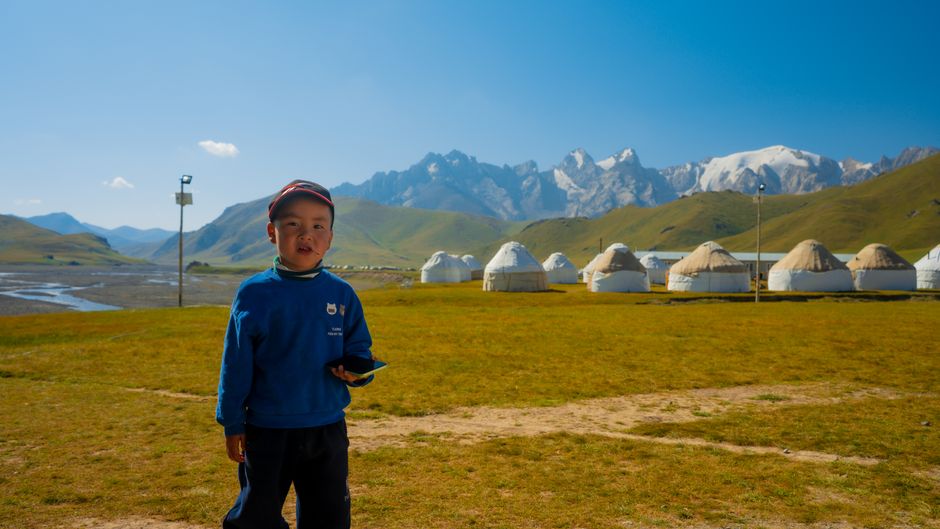
Xinjiang has a specific connectivity reality that affects what you pack. Mobile signal is generally good in cities but can drop to nothing on long desert drives and mountain passes. You need to plan for offline use.
Power and Charging
- A power bank with at least 10,000mAh capacity. The Anker PowerCore 10000 is a reliable baseline. You will be on trains and buses for hours with no outlet.
- A universal travel adapter if you are coming from outside mainland China. The standard Chinese plug is Type A and Type I.
- Download offline maps before you leave. Baidu Maps works better than Google in China, but both need data. Download the region in advance.
Phone and Payment Reality
China runs on WeChat Pay and Alipay. If you are a foreign traveler, set up Alipay with an international card before you arrive. Cash is still accepted in most places, but small vendors and bazaar stalls increasingly expect mobile payment. Carry some RMB cash as backup — smaller cities and rural areas still run on it.
Do not bring a satellite phone or any specialized communication gear. It is unnecessary for standard travel routes and may raise questions at security checkpoints. Xinjiang has more security checkpoints than any other region in China. Pack light, pack simple, and keep your electronics easy to open and inspect.
What Not to Bring: The Just-in-Case Trap
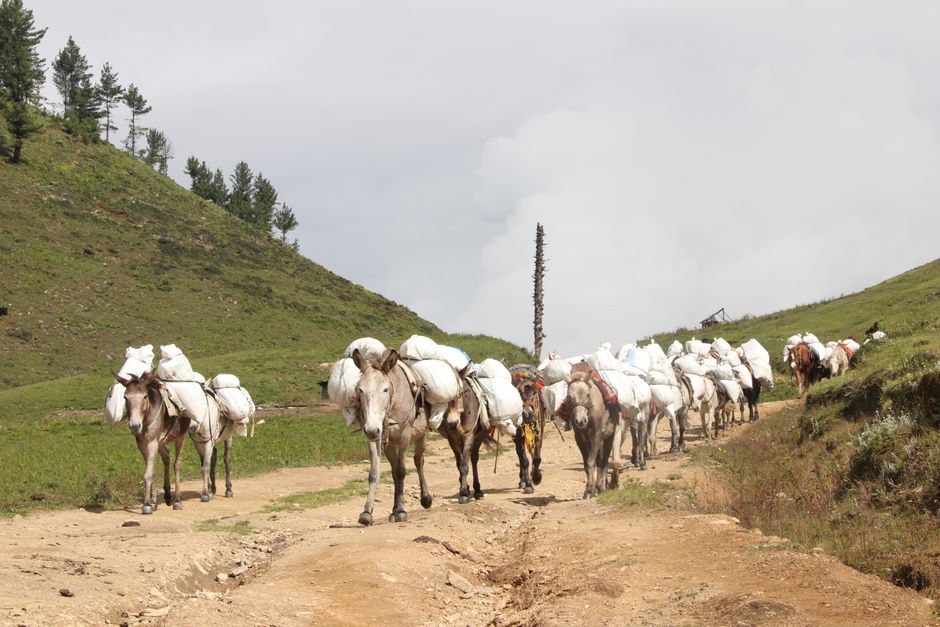
Every packing failure in Xinjiang comes from the same mental error: “What if I need this?” The answer is almost always “You will buy it there, and it will cost less than the back pain of carrying it for two weeks.”
Do not bring a sleeping bag unless you are camping. Guesthouses and hotels in Xinjiang are heated and comfortable. Do not bring a water filter — bottled water is cheap and available everywhere. Do not bring a full first aid kit — a small pouch with bandages, blister pads, ibuprofen, and any personal medication is enough. Pharmacies in Urumqi and Kashgar are well stocked.
The one exception to the “buy it there” rule is anything you need for a specific medical condition. Bring enough of your prescription medication for the entire trip plus three extra days. Do not assume you can find the exact same medication in Xinjiang.
The forward-looking reality is this: Xinjiang is opening up to more independent travelers every year, but the region still rewards the traveler who packs with intention. The less you carry, the more you can move — and in a region this vast, movement is the whole point. Pack for the three zones, cut the just-in-case items, and you will spend your energy on the bazaars and mountains instead of your bag.