
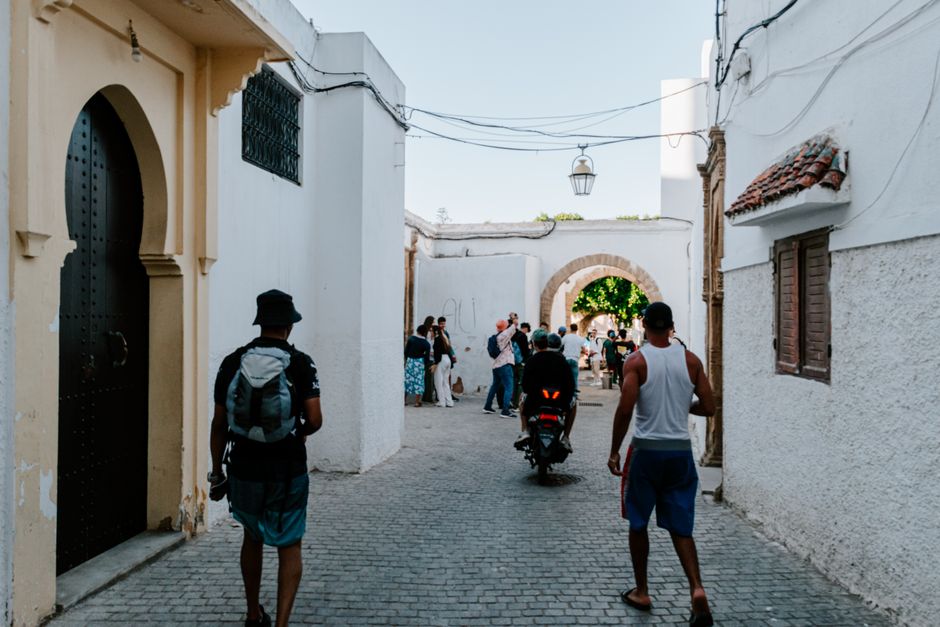
Backpacking Guide Morocco: Morocco Backpacking Mistakes That Cost You Time and Money
Morocco sees over 13 million tourists a year, and a huge chunk of them are backpackers trying to stretch a few hundred euros across two or three weeks. Most of them make the same three mistakes: they trust the first price they hear in a medina, they skip the train network, and they book a desert tour from a random guy in a hostel lobby. I’ve done the Marrakech-to-Fes loop twice, once as a broke student and once with a bit more cash, and the difference in experience came down to a few specific decisions.
This guide covers the route planning, the transport reality, the gear that actually matters, and the scams that still catch people daily. No fluff about “finding yourself in the Sahara.” Just the practical stuff that keeps your trip from turning into an expensive headache.
The Route Most Backpackers Get Wrong
Everyone lands in Marrakech and immediately books a 3-day desert tour to Merzouga. That’s fine, but it’s also the most expensive way to see the country and it skips the two cities that make Morocco worth visiting: Fes and Chefchaouen.
Here’s the route I’d recommend for a first-timer with 10-14 days:
| Day | Location | Transport | Approx. Cost |
|---|---|---|---|
| 1-2 | Marrakech | Fly in, walk everywhere | €15-20/day hostel |
| 3 | Marrakech to Fes | ONCF train | €12-15 second class |
| 4-5 | Fes | Walk, petit taxi | €12-18/day hostel |
| 6 | Fes to Chefchaouen | CTM bus | €8-10 |
| 7-8 | Chefchaouen | Walk | €10-15/day hostel |
| 9 | Chefchaouen to Merzouga | CTM night bus or shared taxi | €15-25 |
| 10-11 | Merzouga desert camp | Pre-booked tour | €50-80 for 2 days |
| 12 | Back to Marrakech | ONCF or flight | €15-40 |
Doing it this way, you’re not backtracking. The classic mistake is Marrakech → Merzouga → Marrakech → Fes, which wastes a full day on buses. The train between Marrakech and Fes takes about 6.5 hours and costs under €15. The bus from Fes to Chefchaouen is 4 hours. This is the route that actually makes geographic sense.
Skip the “Sahara Tour” from Marrakech
Every hostel in Marrakech sells a 3-day desert tour for €80-120. It’s 10+ hours of driving each way, a 30-minute camel ride, and a tent that’s basically a mattress on sand. If you’re going to Merzouga anyway, get yourself there by bus and book the desert camp directly. You’ll pay half and get a better camp.
Transport Reality: Trains Beat Buses, Except When They Don’t
The ONCF train network connects Marrakech, Casablanca, Rabat, Fes, and Tangier. It’s cheap, runs on time (mostly), and second class is perfectly fine. You can book online at oncf-voyages.ma or just show up at the station. I’ve never had a train sell out except during Eid.
CTM buses cover everything else, including Chefchaouen, Merzouga, and the south. They’re more comfortable than the local buses and only slightly more expensive. A CTM ticket from Fes to Chefchaouen costs about €8. The local bus costs €4 but stops every 20 minutes and takes twice as long.
One thing people don’t mention: shared taxis (grands taxis) are the real backbone of Moroccan transport. They leave when full, cost about the same as a bus, and get you to places CTM doesn’t go. But they’re cramped — six people in a Mercedes sedan — and the driver will absolutely try to charge you more if you look lost. Confirm the price before getting in.
When to Book Ahead
You don’t need to book trains or buses weeks in advance. Book a day or two ahead for CTM during summer and around holidays. The one thing you should book ahead is accommodation in Chefchaouen on weekends — it fills up with Moroccan tourists, and the good cheap places go fast.
Gear That Actually Matters for Morocco
Most backpacking gear lists are written for Southeast Asia or Europe. Morocco is different. You’re dealing with desert heat, cold nights, and conservative dress norms. Here’s what I’d actually bring:
- A real power bank. The Anker PowerCore 10000 (€25) is enough for two full phone charges. You’ll use your phone for maps, translation, and booking stuff constantly. Outlets in hostels are often in weird spots.
- A scarf or shemagh. Not a fashion thing. It keeps sun off your neck, dust out of your face in the desert, and doubles as a blanket on cold bus rides. Any cotton one from a medina stall works, but buy it after you arrive — they cost €3 there, not €20 at home.
- A headlamp. The Petzl Tikkina costs €20 and is overkill for most trips, but desert camps and old medina riads have terrible lighting. Your phone flashlight works, but a headlamp keeps your hands free.
- Earplugs and an eye mask. Moroccan cities are loud until midnight. Hostels are louder. The cheap foam ones from any pharmacy are fine.
Skip the fancy hiking boots unless you’re doing Jbel Toubkal. A pair of broken-in sneakers handles medina walking, desert sand, and everything else. I did the whole trip in a pair of Adidas Sambas and was fine.
The Scams and Failure Modes That Still Work
Morocco is safe for backpackers in the sense that violent crime is rare. But hustling is constant, and it wears you down. Here are the specific ones to watch for:
The “Your Riad Is Closed” Trick
A guy sees you looking at your phone near the medina entrance and says your hostel is closed or the road is blocked. He offers to guide you to a “better” place. The road isn’t blocked. Your hostel isn’t closed. He gets a commission from the other place. Just keep walking and use Google Maps offline.
The Tannery “Free Tour”
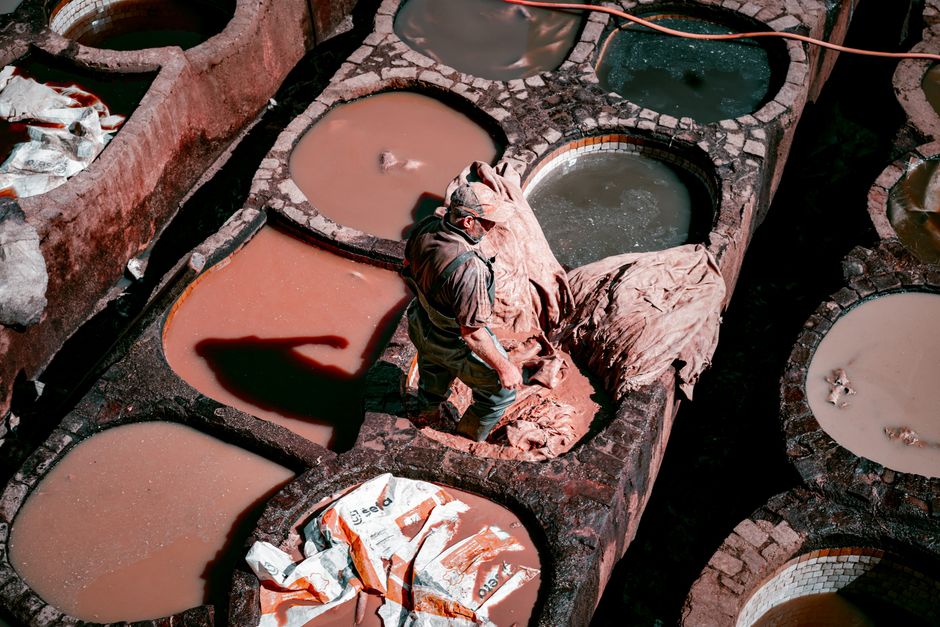
In Fes, someone will offer to show you the tanneries for free. It’s never free. They’ll demand 50-100 dirhams (€5-10) at the end, and they’ll take you to a leather shop where prices are triple the normal rate. The tanneries are viewable from several terraces. Ask your hostel which one they recommend and go there yourself.
The Taxi Meter That’s “Broken”
Petit taxis in Marrakech and Fes should always use the meter. If the driver says it’s broken, get out and find another taxi. The metered fare from the Marrakech train station to Jemaa el-Fna is about 15-20 dirhams. Without the meter, they’ll ask for 50-100.
Here’s the thing about Morocco that guidebooks don’t say clearly enough: the hustling is annoying but mostly harmless. The bigger risk is overpaying for things because you’re tired and just want to stop negotiating. A rug that costs 300 dirhams if you walk away costs 800 if you seem attached to it. The fix is to decide your max price before you start talking and actually walk away if it goes over.
What to Skip and What’s Worth the Money
Not everything in Morocco deserves your limited backpacker budget. Here’s my honest take after two trips:
Skip the hammam at your riad. Hotels charge 300-500 dirhams for a “luxury hammam experience.” A local hammam costs 10-20 dirhams for the entrance, plus another 50 for a scrub if you want someone to do it. It’s the same thing, minus the candles. Ask your hostel for the nearest local one.
Skip the Jardin Majorelle if you’re short on time. It’s beautiful, but it’s €15 and packed by 10am. The Bahia Palace (70 dirhams) and the Saadian Tombs (70 dirhams) are better value and less crowded.
Pay for a good desert camp. This is the one place I’d say spend more. The €30 camps are basically a tent with a thin mattress and a shared toilet that’s a hole in the ground. A €60-80 camp gets you a proper bed, better food, and a camp that’s actually in the dunes, not on the edge of town. The difference is massive.
Pay for a local guide in Fes. The Fes medina has 9,000 streets. Google Maps gives up inside the walls. A half-day guide costs 200-300 dirhams and saves you hours of getting lost and being hustled. This is the best money I spent on the whole trip.
The Verdict
Morocco is a fantastic backpacking destination if you go in with clear expectations. It’s not Southeast Asia-cheap, but it’s not Europe-expensive either. Budget €35-45 per day including accommodation, food, and transport. The people are genuinely friendly once you get past the medina hustle. And the food — tagine, couscous on Fridays, fresh orange juice for 5 dirhams — is worth the trip alone.
Just book your desert camp directly, take the train between Marrakech and Fes, and keep your phone charged. The rest works itself out.