
Hidden Gems In Portugal: Skip Lisbon: 10 Portuguese Towns That Actually Feel Like Portugal
Lisbon is a theme park now. Porto is heading there. If you want the Portugal that existed before budget airlines and Instagram geotags, you have to drive two hours inland or north of the Algarve’s golf resorts. These ten towns are where Portuguese people actually vacation.
The Inland Fortress Towns Nobody Bothers With
Most tourists hug the coast. Big mistake. The interior of Portugal—Beira Baixa, Alentejo, the Serra da Estrela foothills—holds villages built from granite and schist that have barely changed in 500 years. You’ll eat better here too. Restaurants cook for locals, not TripAdvisor rankings.
Monsanto: The Town Built Into Boulders
Monsanto sits on a hilltop near the Spanish border, and houses are literally wedged under, between, and around giant granite boulders. Some kitchens have a 200-ton rock as the back wall. It won “Most Portuguese Village in Portugal” in 1938 and the government hasn’t let anyone modernize it since.
Park at the bottom. The streets are too narrow for anything wider than a donkey cart. Climb to the castle ruins at the top—free entry, 360-degree views of the plains. Stay at Casa de São Miguel, a family-run stone house from 1740 with three rooms and a fireplace that heats the whole building. Dinner at Taverna Lusitana: order the cabrito assado (roast goat) with migas. About €18 for a plate that feeds two.
Skip this if you have mobility issues. The cobblestones are brutal and the incline is real.
Sortelha: One Street, Zero Gift Shops
Sortelha is what Monsanto was 20 years ago. A walled medieval village with one main street, maybe 40 permanent residents, and a silence that feels illegal. The stone walls date from the 12th century. You can walk the entire rampart for free.
There’s no hotel. You stay in Casas do Juízo, a restored judge’s house with two apartments (from €75/night). The owner leaves a key under a flowerpot. That’s the check-in process. Eat at O Castelo, the only restaurant. The posta à mirandesa—a thick veal steak from Mirandesa cattle—is the best beef in central Portugal. €22 with wine.
Coastal Towns Without the Resort Machinery
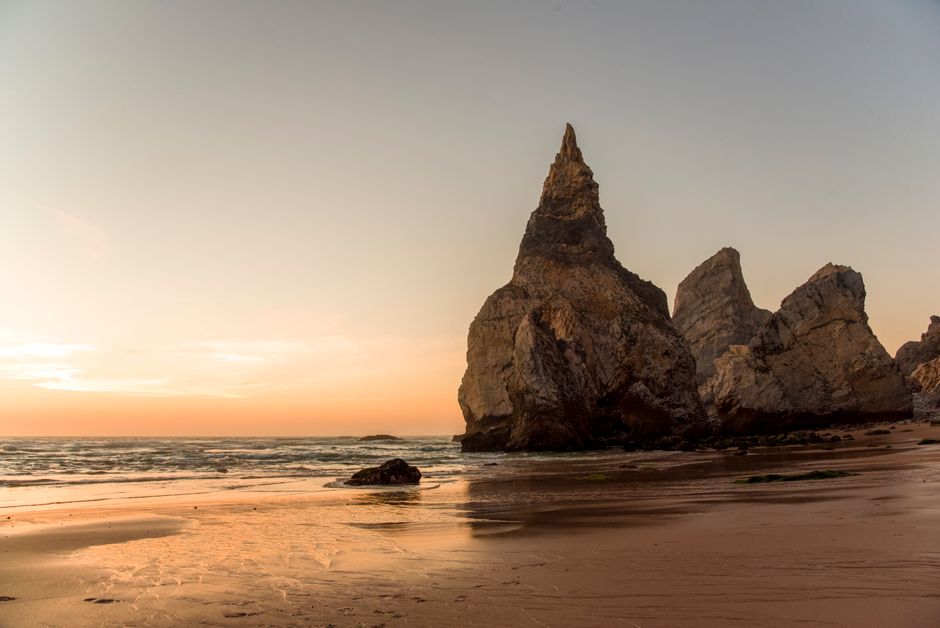
The Algarve’s western edge and the Alentejo coast still have fishing villages that haven’t sold out. You trade nightlife for empty beaches and seafood priced for locals.
Azenhas do Mar: A Postcard That’s Real
Azenhas do Mar clings to a cliff 30 minutes west of Sintra. White houses stack down toward a natural ocean pool. It’s tiny—you can walk the whole thing in 15 minutes. That’s the point.
Swim in the ocean pool at low tide. It’s free and the water’s warmer than the open Atlantic. Eat at Restaurante Azenhas do Mar, the white building hanging over the cliff. The arroz de marisco (seafood rice) costs €24 and comes with enough shellfish to justify the drive from Lisbon. Book a window table or don’t bother.
Stay at Casa nas Azenhas, a one-bedroom rental above the village for €90/night. You’ll hear waves, not traffic.
Comporta: The Anti-Algarve
Comporta is what happens when rice farmers refuse to sell to developers. The Herdade da Comporta estate controls the land and capped construction decades ago. Result: 12 kilometers of beach with zero high-rises.
This is where Lisbon’s wealthy keep beach houses, but it’s still low-key. No clubs. No water parks. Just sand, storks, and rice paddies. Rent a bike from Comporta Bike Rental (€15/day) and ride the dirt paths to Praia do Pego. Eat at Restaurante Sal—the percebes (goose barnacles) are €30/kg and worth it once in your life.
Warning: Comporta in August is a parking lot. Go in June or September.
Alentejo Hill Towns: Slow Travel Done Right
Alentejo is Portugal’s largest region and least populated. The food is heavy, the wine is cheap, and nobody rushes anything. This is where you go to do nothing for three days and feel productive about it.
Marvão: The Eagle’s Nest
Marvão sits at 860 meters on a granite ridge above the Spanish border. On clear days you see 50 kilometers in every direction. The castle walls are intact and you can walk them at sunset for free.
Stay at Pousada de Marvão, a converted convent inside the walls. Rooms from €110/night. It’s a Pousada—Portugal’s state-run historic hotel chain—so the building is the attraction. Book room 204 if you can; it has a balcony over the valley.
Eat at Varanda do Alentejo. The sopa de cação (dogfish soup) is €4 and better than anything you’ll eat in Lisbon for triple the price.
Mértola: A Roman Port on a Hill
Mértola sits on the Guadiana River, 50 kilometers from the coast. It’s been Roman, Visigothic, Islamic, and Portuguese, and all four layers are still visible. The mosque—now a church—kept its horseshoe arches. The Roman house under the town hall has intact mosaics. Entry to all sites: €5.
This town gets maybe 100 visitors a day in peak season. The museum curator will personally walk you through the Islamic art collection because he has nothing else to do. Stay at Casa da Tia Amália, a guesthouse with five rooms and a rooftop terrace from €60/night.
Where to Base Yourself (And Where Not To)
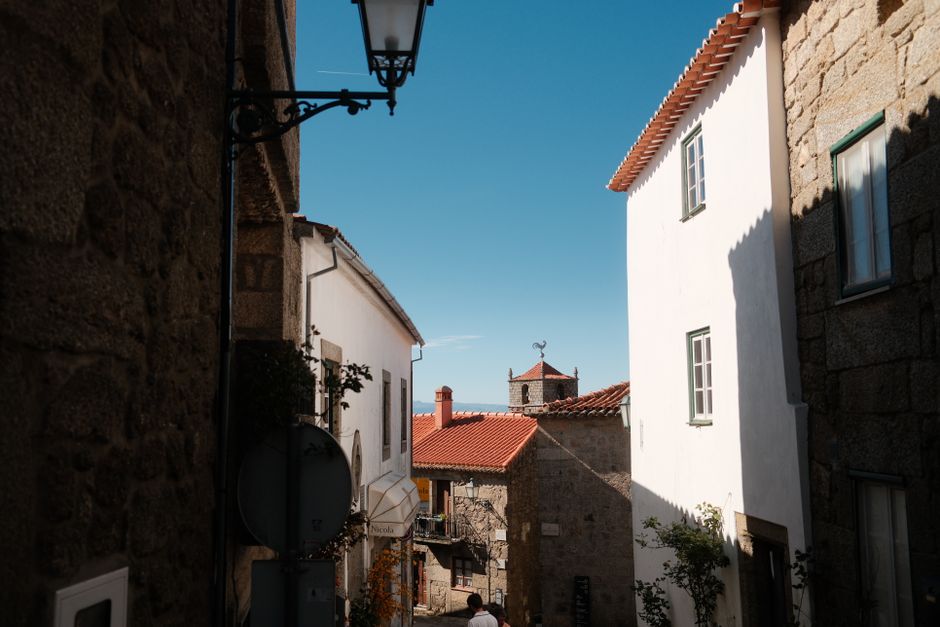
Most of these towns work as day trips from a single base. Don’t try to sleep somewhere new every night—Portuguese roads are slow and you’ll waste half your trip packing.
| Base Town | Best For | Day Trip Radius | Average Room Price |
|---|---|---|---|
| Évora | Alentejo hill towns (Marvão, Monsanto, Mértola) | 90 minutes | €70–110 |
| Setúbal | Alentejo coast (Comporta, Azenhas do Mar) | 60 minutes | €60–90 |
| Guarda | Beira interior (Sortelha, Monsanto, Serra da Estrela) | 45 minutes | €45–70 |
| Tavira | Eastern Algarve (Olhão, Cacela Velha, Castro Marim) | 30 minutes | €80–120 |
Évora is the smart choice. It’s a UNESCO city with its own Roman temple and bone chapel, but it’s also a working town with a university and normal prices. From Évora you can hit Marvão, Monsanto, and Mértola on separate day trips without repacking.
Avoid staying in Óbidos. It’s beautiful but overrun by 11 a.m. and dead by 7 p.m. The town exists for day-trippers now. Visit at 9 a.m., leave by noon.
Five Mistakes That Ruin These Trips
- Relying on trains. None of these towns have useful rail connections. Rent a car. A small one. Streets in Monsanto and Sortelha are donkey-width.
- Going in August. Portuguese families vacation in August. Everything’s booked and hot. May, June, September, and October are the window.
- Expecting nightlife. These towns shut down after dinner. That’s the feature, not a bug. Bring a book.
- Paying with card everywhere. Small restaurants and guesthouses in Sortelha and Mértola want cash. Carry €100 in small bills.
- Rushing. You can’t do all ten towns in a week. Pick three, stay in one base, and actually sit still. The whole point is slowing down.
Portugal’s best-kept secret isn’t a hidden beach or a secret viewpoint. It’s that the country still has towns where the pace hasn’t changed in decades. You just have to drive past the tour buses to find them. Pick one base, rent a small car, and let the Alentejo clock reset you. Lisbon will still be there when you get back—probably with more cruise ships.